Park model home roofing is the system of materials, structural components, and installation methods used to cover and protect a park model home from weather, moisture, and structural stress. Roofing on a park model home differs from a site-built house because the structure must survive highway transport, meet HUD or Florida state code requirements, and hold up against Florida’s heat, humidity, and hurricane-force wind. Homeowners researching this topic are usually comparing materials, trying to understand installation quality, or evaluating a builder’s roofing standards before committing to a purchase.
Getting this wrong costs thousands in repairs, voids warranties, and shortens a home’s usable life by years. Florida’s climate punishes weak roofing decisions faster than almost anywhere else in the country.
This guide covers how park model roofing differs from standard home roofing, the main material and design types available, installation and code requirements specific to Florida, and how to read the signs of quality or trouble in a builder’s roofing work.
What Makes Park Model Home Roofing Different From Site-Built Roofing
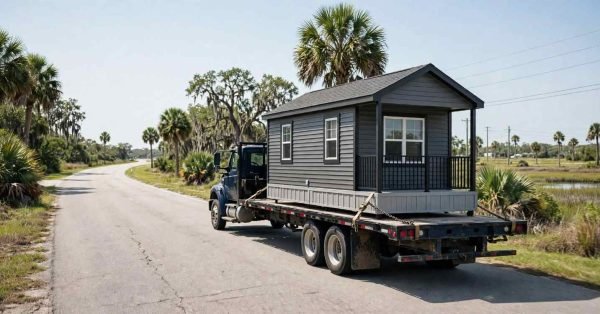
Park model home roofing must be engineered to survive highway transport before it ever faces a Florida storm. The roof assembly gets built, braced, and sealed to handle vibration, wind shear, and road stress that a site-built roof never encounters.
Weight limits imposed by transport regulations restrict how heavy roofing materials and decking can be, which rules out some materials used routinely on standard homes. Florida’s climate adds a second layer of demand intense UV exposure, high humidity, and wind-borne debris during hurricane season all shorten the lifespan of a poorly chosen roofing system.
Transport & Weight Restrictions Shaping Roof Design
Roof assemblies on park model homes are built lighter and lower-profile than conventional roofs specifically to stay within road transport weight and height limits. This restriction shapes material choice, pitch, and the structural bracing used during the trip to the home site.
Florida Climate Factors That Drive Roofing Decisions
Florida’s combination of intense UV radiation, high humidity, and hurricane-strength wind events drives most roofing material and design decisions for park model homes in the state. A roof that performs fine in a dry, mild climate often fails prematurely under Florida conditions.
Main Types of Park Model Home Roofing Systems
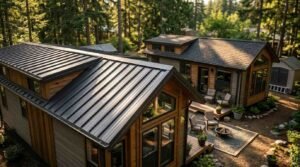
Park model homes typically use one of four main roofing systems: asphalt shingles, metal panels, TPO or rubber membrane, and either a peaked or low-slope profile. Each option trades off differently on weight, cost, wind resistance, and expected lifespan.
| Roofing Type | Typical Lifespan | Wind Resistance | Relative Cost |
| Asphalt Shingle | 15–20 years | Moderate | Low |
| Metal Panel | 40–50 years | High | Moderate-High |
| TPO/Rubber Membrane | 20–30 years | Moderate-High | Moderate |
| Low-Slope Built-Up | 15–25 years | Moderate | Low-Moderate |
Shingle (Asphalt Composition) Roofs
Asphalt shingle roofing remains common on park model homes because it is inexpensive and familiar, but it generally wears out faster under Florida sun than metal alternatives. Shingles exposed to year-round UV radiation tend to lose granules and curl well before their rated lifespan ends.
Metal Roofing Systems
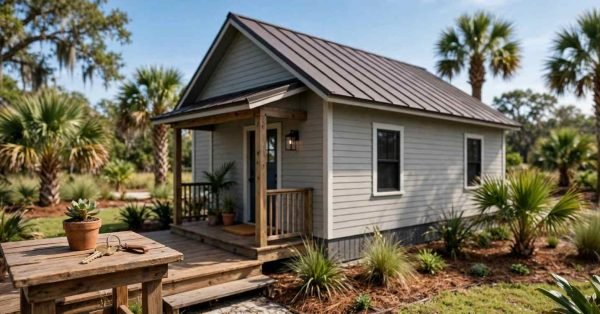
Metal roofing is a roof covering made from steel or aluminum panels that interlock or overlap to shed water and resist wind uplift. Metal panel roofs typically outperform shingles in hurricane-prone regions because coastal wind testing shows metal roofs can be rated for sustained winds exceeding 140 mph when properly fastened, according to Florida Building Commission wind design standards.
TPO and Rubber Membrane Roofs
TPO membrane roofing uses a single-ply synthetic sheet welded at the seams to create a continuous waterproof barrier, which suits the low-slope profiles common on park model homes. This material resists ponding water and reflects heat better than dark asphalt shingles, reducing attic temperatures during summer months.
Peaked vs. Low-Slope Roof Profiles
Roof pitch on a park model home affects both water drainage and transport height clearance, with peaked roofs draining faster but adding to overall trailer height. Low-slope designs stay under transport height limits more easily but require more careful waterproofing at seams and transitions.
Roofing Materials Compared by Durability, Cost & Climate Fit
The table below compares the four main roofing material categories against the factors that matter most in Florida’s climate: expected lifespan, wind rating, and relative installed cost.
| Material | Lifespan | Wind Rating | Cost Tier | Best Fit |
| Asphalt Shingle | 15–20 yrs | Moderate | $ | Budget-conscious, inland |
| Standing Seam Metal | 40–50 yrs | High | $$$ | Coastal, hurricane zones |
| TPO Membrane | 20–30 yrs | Moderate-High | $$ | Low-slope designs |
| Architectural Shingle | 20–25 yrs | Moderate-High | $$ | Mid-range durability |
A National Association of Home Builders cost study found that metal roofing carries roughly 2–3 times the upfront cost of asphalt shingles but typically lasts more than double the years before replacement.
How Park Model Roofs Are Installed
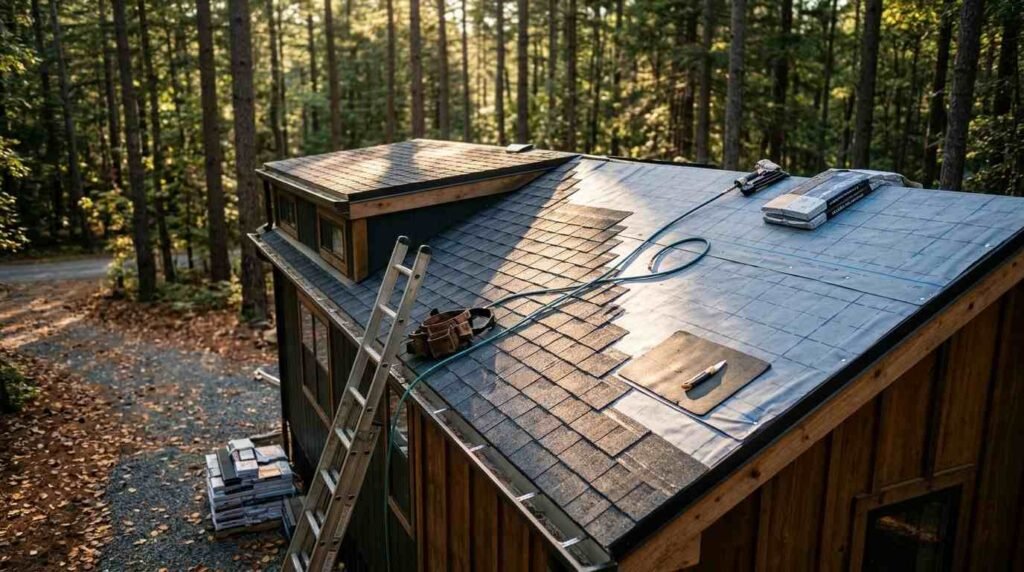
Park model roofs are installed either at the manufacturing facility before transport or on-site after the home arrives at its final location. Factory installation benefits from controlled conditions and quality checks, while on-site installation allows for custom adjustments to match local site conditions.
Factory Installation vs. On-Site Installation
Factory-installed roofing happens in a climate-controlled facility where crews follow standardized sequences and quality inspections before the home ever leaves the plant. On-site installation, by contrast, depends more heavily on individual crew skill and weather conditions at the time of work.
Roof-Over and Retrofit Installation Methods
A roof-over is an installation method where a new roofing layer gets added directly on top of an existing roof structure rather than tearing the old one off first. This approach is common in retrofit situations where a park model home’s original roof needs upgrading without a full structural rebuild.
Florida Wind Load & Building Code Requirements for Park Model Roofs
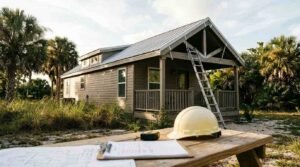
Florida building code requires park model roofing to meet specific wind load ratings based on the home’s wind zone classification, which ranges from 130 mph to over 180 mph depending on coastal proximity. Builders must document that roofing materials and fastening methods meet the rating for the home’s specific location.
Florida Building Code Wind Zone Classifications
Florida is divided into wind zones that set minimum wind resistance requirements for roofing and structural components, with coastal High-Velocity Hurricane Zones carrying the strictest standards. The Florida Building Code’s wind speed maps determine which rating a roof must meet based on the home’s county and distance from the coastline.
HUD Code vs. Florida State Standards for Park Models
Park model homes classified under HUD code follow federal manufactured housing standards, while those meeting Florida’s recreational vehicle or modular classifications follow separate state-level requirements. Understanding which code applies to a specific park model determines which wind and roofing standards the builder must satisfy.
Roof Pitch and Design Considerations for Park Model Homes
Roof pitch on a park model home balances water drainage efficiency against the height restrictions imposed by highway transport regulations. A steeper pitch sheds rainwater and debris faster, which matters during Florida’s intense summer storm season, but it adds inches that can push a trailer over legal transport height.
Builders typically settle on a moderate pitch between 3:12 and 5:12 to balance these competing demands. This range still manages water runoff effectively without requiring special transport permits for oversized loads.
Insulation and Roof Decking Requirements
Roof decking is the structural layer beneath the roofing material that provides the surface for attaching shingles, metal panels, or membrane systems. Decking thickness and insulation R-value requirements for park model homes are typically lower than full-size homes due to weight restrictions, but Florida’s energy code still sets minimum performance standards.
Proper decking prevents sagging under foot traffic during installation and maintenance, while adequate insulation reduces the cooling load that Florida’s heat places on HVAC systems. Skimping on either component tends to show up later as energy bills climb or the roof surface develops soft spots.
Signs of Roofing Problems Specific to Park Model Homes
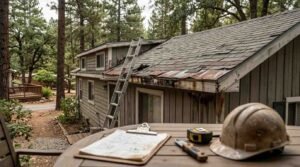
Roofing problems on park model homes often show up first at seams, transitions, and roof penetrations rather than across the main field of the roof. These connection points experience more stress during transport and are more vulnerable to water intrusion over time.
Leak Points Around Seams and Transitions
Seams where roofing material overlaps or transitions between roof sections are the most common leak points on park model homes. Water stains on interior ceilings near these transition areas usually indicate a seal failure rather than a problem with the roofing material itself.
Wind and Storm Damage Indicators
Lifted shingle edges, dented metal panels, and granule loss in gutters are visible indicators that a roof has sustained wind or storm damage. Catching these signs early prevents small issues from becoming structural water damage inside the home.
Roof Ventilation and Moisture Control
Roof ventilation allows hot, moist air to escape from the attic or roof cavity, which prevents condensation buildup that leads to mold and premature decking failure. Florida’s combination of heat and humidity makes ventilation especially important compared to drier climates where moisture accumulates more slowly.
Ridge vents, soffit vents, and powered attic fans are the most common ventilation solutions used on park model homes. Without adequate airflow, trapped moisture condenses on the underside of the roof deck and gradually weakens the structure from the inside.
Maintenance Requirements to Extend Roof Lifespan
Routine roof maintenance for a park model home includes clearing debris, inspecting seals around penetrations, and checking for granule loss or panel damage at least twice a year. Florida’s storm season makes a pre-hurricane inspection especially valuable for catching loose fasteners or compromised flashing before high winds arrive.
Gutters and downspouts also need regular clearing since clogged drainage forces water to pool on low-slope sections of the roof. Standing water accelerates material breakdown regardless of what the roof is made from.
Roof Replacement and Re-Roofing Considerations
Re-roofing becomes necessary when a roof’s materials have reached the end of their rated lifespan or sustained storm damage beyond what spot repairs can fix. Homeowners typically weigh a full tear-off against a roof-over, with the decision depending on the condition of the existing decking underneath.
A roof nearing 20 years old with widespread granule loss or multiple past leak repairs usually signals that replacement delivers better long-term value than continued patching. Waiting too long risks decking damage that turns a roofing project into a structural repair.
Energy Efficiency and Reflective Roofing Options for Florida Heat
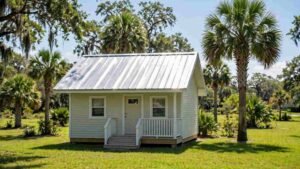
Reflective roofing is a roofing surface treated or manufactured to reflect solar radiation rather than absorb it, reducing the amount of heat transferred into the home below. In Florida’s climate, a reflective roof can lower attic temperatures significantly compared to a standard dark-colored roof surface.
Light-colored metal panels and specially coated membrane roofing both qualify as reflective options, often carrying an Energy Star rating that signals measurable cooling savings. A U.S. Department of Energy analysis found that reflective roofing can reduce peak cooling demand by up to 15% in hot, humid climates like Florida’s.
Choosing reflective materials pairs naturally with the insulation and ventilation choices covered earlier, since all three work together to control indoor temperature. Homeowners focused on long-term utility costs tend to prioritize this roofing category over purely aesthetic considerations.
Roofing Costs for Park Model Homes in Florida
Roofing costs for a park model home in Florida typically range from $4,000 for a basic asphalt shingle installation to over $12,000 for a high-wind-rated standing seam metal system, according to industry cost data compiled by HomeAdvisor. Costs vary based on material, roof size, pitch complexity, and whether the work happens at the factory or on-site.
| Roofing Option | Estimated Cost Range |
| Asphalt Shingle | 4,000–6,500 |
| Architectural Shingle | 6,000–8,500 |
| TPO Membrane | 6,500–9,500 |
| Standing Seam Metal | 9,000–12,500+ |
Labor costs run higher for retrofit or roof-over projects since crews must work around an existing structure rather than installing on an open frame. Homeowners budgeting for a new build versus a re-roof should expect these cost differences to factor into overall project planning.
How to Evaluate a Builder’s Roofing Craftsmanship and Standards
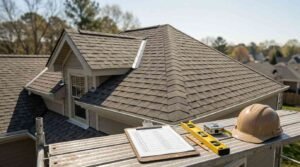
Evaluating a builder’s roofing craftsmanship starts with asking for documentation of wind rating compliance, warranty terms, and the specific materials and fastening methods used on past projects. A builder who can’t produce this documentation clearly is usually cutting corners somewhere in the process.
Questions to Ask About Roofing Warranties
Homeowners should ask whether a roofing warranty covers materials only or includes labor, and how many years of coverage apply to each component separately. Manufacturer warranties and installer workmanship warranties are two different things, and a quality builder explains the distinction clearly upfront.
Red Flags in Roofing Installation Quality
Visible red flags include mismatched shingle lines, exposed fasteners, uneven seams on metal panels, and vague answers about which wind zone rating the roof actually meets. A builder who avoids specifics about code compliance is a signal to look elsewhere.
Insurance, Warranties & Long-Term Roof Performance
Insurance companies in Florida frequently adjust homeowner premiums based on documented roof wind ratings, material type, and installation date, making roofing quality a direct factor in long-term ownership costs. A roof installed to a higher wind rating than the minimum code requirement often qualifies for insurance discounts.
Long-term roof performance depends on the combination of material quality, correct installation, and consistent maintenance over the home’s lifetime. Builders who document their roofing specifications clearly make it easier for homeowners to secure favorable insurance terms and track warranty claims if problems arise later.
Choosing the Right Roofing Partner for Your Park Model Home
Selecting a builder for park model roofing work comes down to verifying wind rating compliance, reviewing warranty documentation, and asking direct questions about materials and installation methods. A transparent builder welcomes these questions rather than deflecting them with marketing language.
The right partner treats roofing as a measurable, code-compliant system rather than a cosmetic finish applied at the end of construction. That distinction often separates a roof that lasts decades from one that needs replacement within ten years.
Conclusion
Park model roofing quality comes down to material choice, correct wind-rated installation, and Florida-specific code compliance working together. Every factor covered here connects directly to how long a roof performs.
Deeper resources on materials, costs, and builder evaluation help extend this foundation as you move from research into an actual building decision. The roofing system you choose shapes your home’s durability for decades.
We build every roof at Tiny Home Builders Florida to meet documented wind ratings and real craftsmanship standards. Reach out and we’ll walk you through exactly what goes into your roof.
Frequently Asked Questions
What is the best roofing material for a park model home in Florida?
Standing seam metal roofing is generally the best option for Florida due to its high wind resistance and long lifespan. It costs more upfront but reduces replacement frequency and storm damage risk.
How long does a park model home roof last?
Lifespan ranges from 15 years for asphalt shingles to 40–50 years for metal roofing. Climate exposure, installation quality, and maintenance frequency all affect actual lifespan.
Can you put a metal roof on a park model home?
Yes, metal roofing is a common and effective choice for park model homes. It meets Florida wind code requirements more easily than lighter materials like asphalt shingles.
Do park model homes need special roofing for hurricanes?
Yes, homes in Florida’s wind zones must meet specific wind load ratings tied to their location. Coastal areas require higher-rated materials and fastening methods than inland zones.
How much does it cost to re-roof a park model home?
Re-roofing costs range from around $4,000 for asphalt shingles to over $12,000 for high-wind-rated metal systems. Final cost depends on roof size, material, and installation complexity.
What roof pitch is best for a park model home?
A pitch between 3:12 and 5:12 balances water drainage with highway transport height limits. Steeper pitches drain faster but risk exceeding legal transport height.
How often should a park model roof be inspected?
Twice yearly inspections, plus one before hurricane season, catch most problems early. Checking seams, flashing, and fasteners prevents small issues from becoming leaks.