Park model homes typically cost between $60,000 and $150,000 for the unit alone, with total project costs reaching $90,000 to $220,000 once land, site work, and utilities are included. I’ve walked enough Florida homeowners through this math to know the base price on a brochure almost never matches the number on a final invoice. That gap is where most budgets go sideways.
Understanding this now saves you from mid-project surprises later. I want you to see the full picture before you sign anything.
This guide covers what drives the base price, the site and utility costs that come after delivery, Florida-specific requirements like wind-zone and flood-zone compliance, financing and insurance realities, and how to build a budget that actually holds up. We’ll also cover how park model costs stack up against traditional and manufactured homes.
How Much Does a Park Model Home Cost?
A park model home costs $60,000 to $150,000 for the base unit, with most Florida buyers landing between $75,000 and $110,000 for a standard one-bedroom layout. That range depends heavily on square footage, finish level, and whether the unit is a standard floor plan or a custom build.
Average Price Range by Size and Style
Smaller units under 400 square feet sit at the lower end of the range, while two-bedroom or loft-style models push toward the top. I’ve seen buyers assume “park model” means one fixed price point, and it never does; style and layout swing the number by tens of thousands of dollars.
Entry-level single-slide models tend to run $55,000 to $75,000. Multi-slide units with larger kitchens and full bathrooms climb to $100,000 or more before any upgrades are added.
Base Price vs. Total Move-In Cost
The base unit price almost never equals the move-in-ready total. Park model buyers typically spend 30–45% above the base unit price once delivery, site prep, utility hookups, and permitting are factored in, according to industry data from the RV Industry Association.
That means a $90,000 unit often becomes a $120,000–$130,000 finished project. I walk every client through this early so the base price doesn’t become a false anchor for their whole budget.
What Factors Influence Park Model Home Pricing?
Square footage, material quality, and site conditions are the three biggest drivers of park model home pricing. Each one moves the final number independently, which is why two buyers in the same county can pay very different amounts for a similar-looking home.
Square Footage and Floor Plan Complexity
More square footage means more materials, more labor, and a higher base price, but complexity matters just as much as size. A simple rectangular floor plan costs less to engineer and build than one with multiple slide-outs, angled walls, or a loft.
I’ve seen two units of the same square footage differ by $15,000 purely because one had a more complex roofline and more framing joints. Floor plan simplicity is an underrated way to control cost.
Materials, Finishes, and Build Quality
Cabinetry, countertops, flooring, and exterior siding account for a large share of price variation between builders. Standard laminate finishes keep costs down, while solid wood cabinetry, quartz counters, and metal roofing add real dollars fast.
Construction materials and finishes directly shape not just the price tag but the home’s durability in Florida’s climate. I always tell buyers to ask what’s included as standard versus what’s listed as an upgrade, because “included” varies wildly between builders.
Base Unit Cost Breakdown
The base unit price covers the structural shell, standard interior finishes, basic plumbing and electrical rough-in, and a standard appliance package. It does not include delivery, site work, utility connections, or permits in almost every case.
Framing, roofing, and the exterior envelope typically make up 35–40% of the base cost. Interior finish-out, including cabinetry, flooring, and fixtures, usually accounts for another 30–35%, with the remaining share split between appliances, plumbing, and electrical systems.
Customization and Upgrade Costs

Customization costs stack on top of the base price and can range from a few thousand dollars for minor finish swaps to $30,000 or more for structural changes. The more a buyer deviates from the standard floor plan, the higher the premium climbs.
Interior Finish Upgrades
Upgraded cabinetry, quartz or granite countertops, tile backsplashes, and premium flooring are the most common interior upgrades I see priced separately from the base unit. Each of these can add $2,000 to $8,000 depending on the finish tier selected.
Smart home features and upgraded appliance packages add further cost but also tend to hold value better at resale than cosmetic finishes alone.
Structural and Layout Modifications
Adding a loft, extending a slide-out, or reconfiguring the bathroom layout requires new engineering and often new permitting, which is where costs escalate quickly. These changes aren’t just pricier materials; they’re pricier labor and design time too.
I recommend locking in structural decisions before production starts, since mid-build structural changes cost significantly more than the same change made at the design stage.
Delivery and Transportation Costs
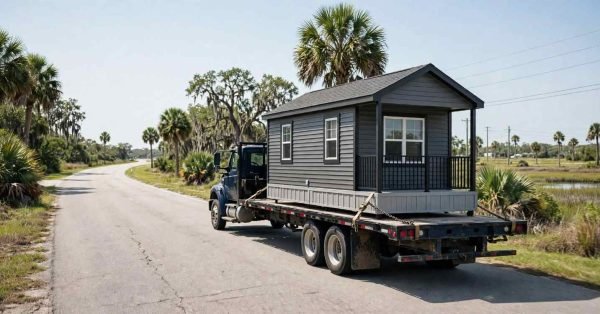
Delivery and transportation for a park model home typically costs $3,000 to $12,000 depending on distance, road access, and whether a pilot car escort is required. Florida’s size means delivery costs vary enormously between a unit built two hours away versus one shipped across the state.
Oversized-load permits, required for most park models due to width, add their own fee on top of the carrier’s base charge. Site access also matters a lot; a tight driveway or overhead obstructions can require a smaller transport setup, which raises the price further.
Site Preparation Costs

Site preparation costs run $5,000 to $25,000 in Florida, varying by lot condition, soil type, and whether significant clearing or grading is needed. This is one of the most underestimated line items in a park model budget.
Land Clearing and Grading
Clearing vegetation, removing debris, and grading the pad area to proper drainage slope typically costs $2,000 to $10,000 for a standard residential lot. Florida’s flat terrain helps in some areas, but sandy or low-lying lots often need extra grading work to direct water away from the foundation.
I’ve seen buyers skip a proper drainage assessment and regret it the first heavy rainy season. Site grading isn’t optional in Florida; it’s foundational to the home’s long-term performance.
Foundation and Pad Requirements
Most park models sit on a pier, block, or concrete pad foundation, with costs ranging from $3,000 for a basic pier system to $15,000 or more for a reinforced concrete pad built to Florida wind-load standards. Foundation type is partly dictated by local code and partly by the buyer’s long-term plans for the home.
A permanent foundation designed for hurricane resistance costs more upfront but reduces risk and can affect insurance eligibility down the line.
Utility Hookup Costs (Water, Sewer, Electric)
Utility hookups cost $3,000 to $15,000 total, covering water, sewer or septic, and electrical connections from the property line to the home. Costs climb significantly when a lot needs a new septic system or a well rather than connecting to existing municipal lines.
Electrical hookups alone typically run $1,500 to $5,000, depending on the distance from the main panel and whether the service needs upgrading to support the home’s full load. Rural Florida lots without municipal water or sewer access often see this entire category double due to septic and well installation costs.
Permit, Inspection, and Code Compliance Fees
Permit and inspection fees in Florida range from $1,500 to $6,000 depending on county requirements and the complexity of the installation. Every county handles park model permitting differently, so the same home can cost more to permit in one jurisdiction than another just a few miles away.
Inspections typically cover the foundation, electrical rough-in, plumbing connections, and final occupancy approval. Skipping proper permitting to save money upfront creates serious resale and insurance problems later, so I never recommend cutting this corner.
Florida-Specific Cost Considerations
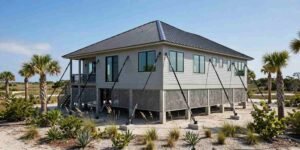
Florida adds cost layers that many other states don’t require, primarily tied to hurricane resistance and flood risk. These aren’t optional extras; they’re code-driven requirements that protect the home and keep it insurable.
Hurricane and Wind-Zone Construction Requirements
Florida’s High-Velocity Hurricane Zones require reinforced anchoring, impact-rated windows, and wind-rated roofing, which can add $5,000 to $20,000 to total project cost. Florida’s building code requires wind resistance up to 180 mph in the highest-risk coastal zones, according to the Florida Building Commission.
Anchoring systems alone, which secure the home against wind uplift, typically add $2,000 to $6,000 depending on soil conditions and the number of tie-down points required.
Flood Zone and Elevation Costs
Homes placed in a FEMA-designated flood zone often require elevated foundations, which can add $8,000 to $25,000 compared to a standard at-grade pad. Elevation height requirements come directly from the local flood zone designation, not from buyer preference.
I always recommend checking a lot’s flood zone status before purchasing land, since this single factor can swing the foundation budget more than almost any other site condition.
Land and Lot Costs in Florida
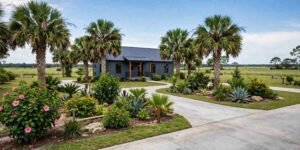
Land costs for a park model home in Florida range from $20,000 for a rural inland lot to well over $150,000 for a waterfront or high-demand coastal parcel. Location drives this number more than any other single variable in the entire project.
Many buyers place park models on land they already own, which removes this cost entirely, while others purchase raw land specifically for the project. Lot costs in established manufactured home communities often include some utility infrastructure already in place, which can offset site preparation expenses elsewhere in the budget.
Financing a Park Model Home
Financing a park model home typically relies on personal property loans, chattel loans, or RV-style loans rather than traditional mortgages, since many lenders classify these homes similarly to recreational vehicles. This classification affects both the loan type available and the interest rate a buyer qualifies for.
Loan Types and Lender Considerations
Chattel loans, which finance the home as personal property rather than real estate, are the most common financing path for park models. Some lenders offer land-and-home packages that combine the lot and unit into a single mortgage-style loan, but these require the home to meet specific foundation and permanence standards.
Credit union and manufacturer-affiliated lenders tend to have more experience underwriting park model loans than large national banks.
Down Payment and Interest Rate Factors
Down payments for park model financing typically run 10% to 20% of the total project cost, higher than the 3–5% common with conventional mortgages. Interest rates also tend to run higher than traditional mortgage rates because lenders treat these loans more like vehicle financing than real estate financing.
A larger down payment often improves the interest rate offered, which matters more here than it does in conventional home lending.
Insurance Costs for Park Model Homes
Insurance for a park model home in Florida typically costs $1,200 to $3,500 annually, with premiums driven heavily by flood zone designation, wind mitigation features, and proximity to the coast. Standard homeowners insurance policies don’t always apply to park models, so specialized manufactured or RV-style coverage is often required.
Wind mitigation features like reinforced anchoring and impact-rated windows can lower annual premiums meaningfully, sometimes by several hundred dollars. I encourage every buyer to get an insurance quote before finalizing their site and foundation plan, since those decisions directly affect what coverage will cost.
Ongoing Ownership and Maintenance Costs
Annual maintenance and ownership costs for a park model home typically run $1,500 to $4,000, covering HVAC servicing, roof inspections, pest control, and general upkeep. Florida’s humidity and heat put extra strain on HVAC systems and exterior materials compared to drier climates.
Lot rent, where applicable in a community setting, adds a recurring monthly cost separate from the home itself. Budgeting for these ongoing costs from day one prevents the common mistake of treating the purchase price as the full financial picture.
Park Model vs. Traditional Home vs. Manufactured Home Costs
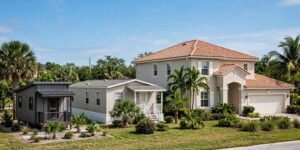
Park model homes generally cost less upfront than traditional site-built homes but more per square foot than standard manufactured homes, reflecting differences in size, portability, and finish level.
| Home Type | Typical Total Cost | Typical Size | Cost Per Sq Ft |
| Park Model Home | $90,000–$220,000 | 400–500 sq ft | $180–$400 |
| Manufactured Home | $80,000–$160,000 | 1,000–2,000 sq ft | $60–$90 |
| Traditional Site-Built Home | $250,000–$500,000+ | 1,800–2,800 sq ft | $140–$200 |
The higher per-square-foot cost of a park model reflects its compact engineering, transportability, and the premium finishes often included even in smaller footprints. Traditional construction offers more space per dollar but requires significantly more land, time, and upfront capital.
How to Budget for a Park Model Home Project
A realistic park model budget accounts for the base unit, delivery, site work, utilities, permits, and a contingency fund of at least 10–15% for unexpected costs. Buyers who budget only for the unit price are the ones most likely to run short partway through the project.
Creating a Realistic Budget Timeline
Budgeting works best when costs are sequenced in the order they’ll actually be paid: deposit and unit cost first, then site preparation, then delivery and setup, then utility connections and final inspections. Spreading this out on a timeline helps buyers see when each payment is due rather than treating the total as one lump sum.
I recommend building in a two-to-four week buffer between site prep completion and delivery, since weather and inspection scheduling in Florida can shift timelines.
Common Hidden Costs to Plan For
Soil testing, tree removal, well or septic installation, and impact fees are the hidden costs that catch most first-time buyers off guard. None of these show up on a unit price sheet, yet they can add tens of thousands of dollars to a project.
County impact fees alone can range from a few hundred to several thousand dollars depending on the jurisdiction and whether the lot has been previously developed.
Questions to Ask Builders About Pricing and Quotes
The right questions during the quoting process reveal whether a price is full or whether major costs are missing. A builder’s willingness to answer clearly is often as telling as the answer itself.
Ask what’s included in the base price versus listed as an upgrade, whether the quote includes delivery and setup, what the foundation and anchoring package consists of, and whether the price accounts for your specific flood zone and wind zone requirements. I also recommend asking for a written, itemized quote rather than a single bottom-line number, since itemization is what lets you compare builders accurately.
Conclusion
Park model home costs span the base unit, site work, utilities, permits, and Florida-specific wind and flood requirements. Each layer adds up fast, and skipping one creates budget surprises later.
We’ve mapped where the real costs live, from foundations to financing to ongoing upkeep. A clear budget now prevents costly gaps once construction begins.
We build homes with transparent, itemized pricing from day one. Reach out to Tiny Home Builders Florida for a detailed quote built around your lot and goals.
Frequently Asked Questions
What is the average cost of a park model home in Florida?
Most park model homes in Florida cost between $90,000 and $220,000 total, including the base unit, delivery, site work, and utility hookups. Costs vary based on size, finish level, and site conditions.
Are park model homes cheaper than traditional homes?
Yes, park model homes cost significantly less upfront than traditional site-built homes, which typically start around $250,000. However, park models cost more per square foot due to their compact size and included finishes.
What hidden costs should I budget for with a park model home?
Soil testing, tree removal, septic or well installation, and county impact fees are the most commonly missed costs. These can add thousands of dollars beyond the base unit and site prep estimates.
Do park model homes in Florida need hurricane-rated construction?
Yes, homes in Florida’s High-Velocity Hurricane Zones require reinforced anchoring and wind-rated materials by code. These requirements can add $5,000 to $20,000 to total project cost.
Can I finance a park model home with a mortgage?
Most park model homes are financed through chattel loans rather than traditional mortgages, since lenders often classify them as personal property. Some land-and-home package loans exist for units on permanent foundations.
How much does land cost for a park model home in Florida?
Land costs range from about $20,000 for rural inland lots to well over $150,000 for coastal or waterfront parcels. Location is the single biggest driver of land cost in Florida.
What is included in a park model home’s base price?
The base price typically covers the structural shell, standard interior finishes, basic plumbing and electrical, and standard appliances. Delivery, site work, utilities, and permits are almost always billed separately.