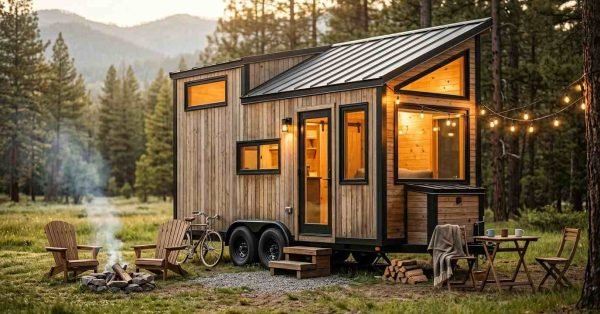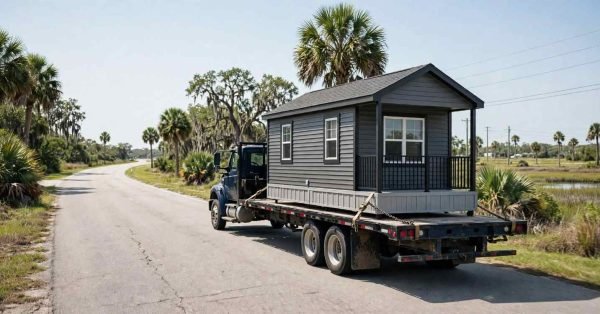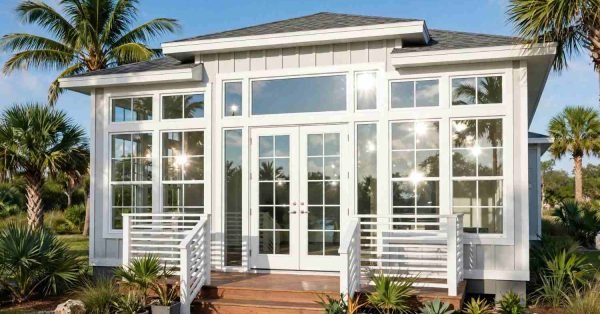
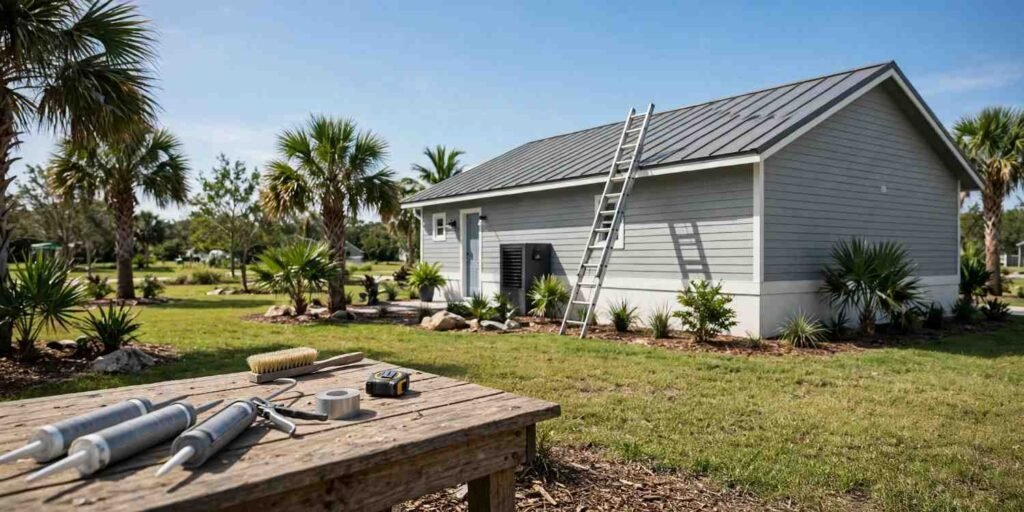
A park model home is a factory-built dwelling under 400 square feet, designed on a single chassis and built to ANSI standards rather than full residential building codes. I work with homeowners across Florida who own these homes, and the maintenance reality is different from a stick-built house in ways that matter for longevity and resale value. Florida’s humidity, heat, and storm exposure accelerate wear on roofing, seals, and moisture-sensitive materials faster than in drier climates.
Ignoring small issues here compounds quickly into expensive structural repairs. A $200 roof sealant job today prevents a $15,000 water damage claim in three years.
This guide covers how park model systems differ from traditional homes, the seasonal and system-specific maintenance Florida ownership demands, how to spot early warning signs of bigger problems, and how to budget and schedule upkeep so small issues never become expensive ones. We also look at when a repair calls for a professional and what renovating an older unit involves.
What Makes Park Model Home Maintenance Different
Park model home maintenance differs from traditional home maintenance because these structures use lighter framing, different roofing systems, and a single-chassis foundation that responds to weather and ground movement differently than a poured foundation. I’ve seen owners apply conventional home maintenance schedules to park models and miss problems that show up twice as fast here.
The lighter construction means seals, seams, and transitions between materials need more frequent attention. Every roof penetration, window frame, and skirting panel is a potential entry point for water or pests if it’s not checked regularly.
Park Model Construction vs. Traditional Home Construction
Park model homes are built to ANSI A119.5 standards, a certification specific to recreational park trailers rather than the International Residential Code governing site-built homes. This distinction matters because inspection checklists written for conventional homes often miss park-model-specific failure points like chassis corrosion or transport-related seam stress.
Why Climate and Mobility Affect Maintenance Needs
Florida’s humidity accelerates wood rot and mold growth inside wall cavities that aren’t properly ventilated. A home that was transported and set years ago may have settled unevenly, which stresses seals and joints that were factory-sealed for transport, not decades of fixed-location weather exposure.
Understanding Your Park Model Home’s Key Systems
A park model home’s key systems are the roofing and exterior envelope, plumbing, electrical, and HVAC components, each engineered for a compact structure and requiring more frequent inspection than their full-size residential counterparts. I walk new owners through these four systems first because nearly every maintenance call I get traces back to one of them being neglected for longer than it should have been.
Each system interacts with the others in a space this size. A small roof leak doesn’t just damage ceiling material; it can reach electrical runs and insulation within the same cavity.
Roofing and Exterior Envelope Systems
The roofing and exterior envelope on a park model home typically uses a rubber membrane or metal panel system coated with a protective sealant that needs reapplication every two to three years in Florida’s UV-intensive climate. This envelope includes the roof, siding panels, and all penetration points for vents, plumbing stacks, and electrical conduits.
Plumbing and Water Systems
Plumbing in a park model home runs through a more condensed footprint than a traditional house, which means a single undetected leak can affect multiple areas of the home simultaneously. PEX piping is standard in most newer units because it resists the vibration stress that occurs during transport and minor settling.
Electrical Systems
Electrical systems in park model homes are wired to accommodate RV-style shore power connections as well as standard residential circuits, creating a hybrid setup that requires familiarity with both systems. The National Fire Protection Association reports that electrical failures account for a significant share of residential structure fires, making periodic inspection a safety issue, not just a maintenance one.
HVAC and Climate Control Systems
HVAC systems in park models are generally mini-split or packaged terminal units sized specifically for the home’s square footage, and they run harder in Florida than in milder climates due to near-constant cooling demand. These units need more frequent filter changes than a standard home system because of the shorter duct runs and higher cycle frequency.
Seasonal Maintenance Checklist for Florida Park Model Homes

A Florida park model home’s seasonal maintenance checklist centers on hurricane preparation, humidity control, and post-storm inspection, since the state’s climate creates maintenance demands that don’t exist in most other regions. I tell every owner the same thing: treat May through November as a different maintenance season entirely from December through April.
Humidity control actually runs year-round here, not just during the wet season. Florida’s baseline humidity stays high enough that moisture management never fully turns off.
Hurricane Season Preparation
Hurricane season preparation for a park model home means verifying tie-down and anchoring systems meet current wind-zone requirements before June 1st each year. Florida’s building code requires manufactured and park model homes to meet specific wind resistance ratings based on county location, and older tie-down hardware can corrode below code-compliant strength without visible warning signs.
Humidity and Moisture Control Year-Round
Florida’s average relative humidity exceeds 70% for most of the year, according to NOAA climate data, which means moisture control inside a park model home has to be continuous rather than seasonal. Running a dehumidifier during closed-up periods prevents the mold growth that thrives in the tight wall cavities typical of this construction type.
Post-Storm Inspection Priorities
After any named storm, I recommend checking the roof membrane, skirting panels, and tie-down anchors before anything else, since these three areas take the most direct wind and water exposure. Small lifted seams or loosened anchors are easy to miss from the ground and often only show up once water intrusion has already started.
Roof Maintenance and Common Roofing Problems

A park model home’s roof is its single most vulnerable component in Florida, and most roofing failures start as small, invisible issues around seams and penetrations rather than dramatic storm damage. I’ve found that owners who inspect their roof twice a year catch problems while they’re still a caulking job instead of a full membrane replacement.
Roofing problems compound because water doesn’t always drip straight down. It can travel along a rafter or truss before showing up as a stain feet away from the actual leak.
Signs of Roof Damage to Watch For
Soft spots underfoot on the roof, discoloration on interior ceilings, and granule loss around vent stacks are the earliest visible indicators of roof membrane failure. Catching these signs during a routine walk-around prevents the water intrusion that eventually compromises framing underneath.
Roof Coating and Sealant Maintenance
Reapplying roof sealant every two to three years protects the membrane from Florida’s UV exposure, which degrades rubber and acrylic coatings faster than in cooler, less sun-intensive regions. Skipping this maintenance step is the single most common cause of premature roof replacement I see in park model homes.
Exterior Siding, Skirting, and Foundation Care
A park model home’s skirting and foundation anchoring system need inspection at least twice yearly because they’re exposed to ground moisture, pest activity, and wind stress that doesn’t affect the home’s upper structure. Skirting isn’t just cosmetic; it also regulates airflow underneath the home and keeps pests from accessing plumbing and electrical lines.
Skirting Ventilation and Pest Prevention
Proper skirting ventilation prevents the moisture buildup underneath a park model home that leads to wood rot in the floor joists and chassis corrosion over time. Vents that are blocked by landscaping or debris trap humidity against the underside of the home, which creates ideal conditions for both mold and pest infestation.
Tie-Down and Anchoring System Inspection
Tie-down anchors should be checked for rust, loosening, or ground shift at least once a year, with additional checks after any significant storm event. These anchors are what keep the home structurally secure during high wind events, so corrosion that weakens them is a safety issue rather than a cosmetic one.
Plumbing Maintenance and Common Issues

Plumbing issues in a park model home usually start small, a slow drip under a sink or a slightly soft spot near a water connection, and escalate quickly because of how condensed the plumbing runs are in this size of structure. I always tell owners that a plumbing leak in a park model does more relative damage, faster, than the same leak would in a full-size house.
Preventing Frozen or Overheated Pipes
While Florida rarely sees hard freezes, occasional cold snaps in northern parts of the state can still stress exposed plumbing lines running beneath the home. Insulating exposed pipe sections during the handful of cold nights each winter prevents the cracking that leads to spring leaks.
Water Heater Maintenance
Flushing a park model’s water heater annually removes sediment buildup that reduces efficiency and shortens the unit’s lifespan, particularly in areas with Florida’s harder water supply. A water heater that’s never been flushed typically fails years earlier than one on a regular maintenance schedule.
Electrical System Care and Safety Checks
A park model home’s electrical system needs an annual inspection because the hybrid wiring setup, part RV-style shore power and part residential circuitry, creates failure points that don’t exist in a standard home’s electrical panel. I recommend this inspection happen before hurricane season, since storm-related power surges are a common trigger for latent electrical problems.
Signs You Need an Electrical Inspection
Flickering lights, warm outlet covers, or a breaker that trips repeatedly under normal load are all signs that a park model’s electrical system needs professional evaluation. These symptoms often indicate a loose connection or overloaded circuit that can become a fire hazard if left unaddressed.
HVAC Maintenance for Florida’s Climate

HVAC maintenance for a Florida park model home centers on frequent filter changes and humidity monitoring, since the system runs nearly year-round and handles a disproportionate moisture load compared to units in drier states. I’ve seen HVAC units in park models fail years ahead of schedule simply because filters went unchanged for months at a time during peak cooling season.
A neglected HVAC system doesn’t just cool poorly; it also stops managing humidity effectively, which creates a secondary mold problem throughout the home.
Air Conditioning Upkeep and Filter Schedules
Changing the HVAC filter every 30 to 60 days during Florida’s cooling season keeps the system running efficiently and prevents the dust buildup that strains compressor components. A dirty filter forces the unit to work harder, which shortens its operational lifespan and increases energy costs.
Humidity Control and Mold Prevention
An HVAC system that’s properly sized and maintained removes excess humidity from the air as a byproduct of cooling, which is one of the most effective passive defenses against interior mold growth. The EPA notes that indoor humidity above 60% creates conditions favorable to mold colonization within 24 to 48 hours on vulnerable surfaces.
Interior Maintenance: Floors, Walls, and Cabinetry
Interior maintenance in a park model home focuses heavily on moisture-sensitive materials, since the compact structure means humidity and small leaks affect flooring, cabinetry, and wall finishes faster than in a larger home. I check the areas around windows, under sinks, and near exterior doors first during any interior inspection, since these are the most common entry points for moisture.
Preventing Moisture Damage to Interior Materials
Laminate flooring and particleboard cabinetry, common in park model construction, swell and warp quickly when exposed to even small amounts of standing moisture. Wiping up spills immediately and checking under-sink areas monthly catches problems before the materials themselves need replacement.
Window, Door, and Seal Maintenance
Window and door seals on a park model home deteriorate faster than on a traditional house because the structure experiences more vibration and minor flexing over its lifetime, even after it’s been permanently sited. I recommend checking weatherstripping and caulking around every window and door frame twice a year, since a failed seal here is one of the most common sources of both water intrusion and energy loss.
A door that sticks or a window that no longer closes flush often indicates minor structural settling rather than a hardware problem.
Pest Control and Wildlife Prevention
Pest prevention in a park model home depends heavily on maintaining skirting integrity and sealing any gap larger than a quarter inch around the home’s base and roofline. Rodents and insects seek out the void space beneath these homes for shelter, and once inside, they can damage wiring and insulation that’s difficult to inspect without removing skirting panels.
Regular visual checks around the home’s perimeter catch new gaps before they become established entry points.
Identifying Structural Issues and Warning Signs

Structural issues in a park model home typically show up as soft or uneven flooring, visible gaps between walls and ceilings, or doors and windows that no longer close properly. I treat these signs seriously because the structure’s lighter framing means problems progress faster than they would in a conventionally built home.
Catching structural issues early is almost always less expensive than waiting, since minor settling or moisture damage left unaddressed tends to cascade into larger repairs.
Soft Spots, Sagging, and Settling
Soft spots in flooring usually indicate moisture damage to the subfloor, while sagging ceilings often point to roof leaks that have been present for longer than the visible staining suggests. Settling along the chassis can cause doors and windows throughout the home to shift out of alignment simultaneously.
When Structural Issues Require a Professional
Any sign of chassis corrosion, significant framing movement, or widespread moisture damage behind walls calls for a licensed structural inspector rather than a DIY assessment. These issues affect the home’s overall safety and resale value, so an accurate diagnosis matters more than a quick fix.
DIY Repairs vs. When to Hire a Professional
Minor maintenance tasks like caulking, filter changes, and skirting repairs are reasonable for a hands-on homeowner, but electrical work, structural repairs, and roofing replacement require a licensed professional familiar with park model construction standards. I’ve seen well-intentioned DIY electrical fixes create worse problems than the original issue because the hybrid wiring system isn’t intuitive to someone used to standard residential wiring.
Knowing where that line sits protects both the home’s safety and its long-term value.
Cost Considerations for Repairs and Upkeep
Routine maintenance on a park model home typically costs a few hundred dollars annually for sealants, filters, and minor repairs, while neglected issues that escalate into structural or water damage repairs can run into the thousands. Budgeting for preventive maintenance consistently costs less over a five-year period than reactive repairs after a problem has already caused secondary damage.
Setting aside a small maintenance fund annually smooths out these costs instead of facing one large unexpected expense.
Building a Preventive Maintenance Schedule
A preventive maintenance schedule for a park model home organizes tasks by frequency: monthly filter checks, quarterly seal inspections, and annual roof and electrical reviews, so nothing gets missed during busy seasons. I encourage owners to put this schedule somewhere visible rather than relying on memory, since the tasks that get skipped are usually the ones nobody wrote down.
A written schedule also makes it easier to track what’s been done when selling the home, since documented maintenance history adds credibility for a buyer.
Renovating or Upgrading an Older Park Model Home

Renovating an older park model home often involves upgrading insulation, replacing aging HVAC systems, and reinforcing skirting and tie-downs to meet current wind-zone standards. These upgrades extend the home’s usable life significantly and can improve both comfort and energy efficiency well beyond the original build specifications.
Owners considering a renovation should prioritize structural and system upgrades before cosmetic changes, since addressing the underlying systems first protects any cosmetic investment made afterward.
Conclusion
Maintaining a park model home means understanding its unique systems, Florida’s climate demands, and the warning signs that separate minor upkeep from serious repair.
This guide only scratches the surface of what dedicated cluster resources on roofing, HVAC, and structural repair can cover in more depth.
We build homes meant to last, and we’re here to help you protect that investment. Reach out to Tiny Home Builders Florida today.
Frequently Asked Questions
How often should I inspect my park model home’s roof?
Inspect a park model home’s roof at least twice a year, in spring and fall, plus after any major storm. Catching small seam or coating issues early prevents costly water damage later.
What is the average lifespan of a park model home in Florida?
A well-maintained park model home in Florida typically lasts 20 to 30 years. Climate exposure and maintenance consistency are the biggest factors affecting that range.
Do park model homes need hurricane tie-downs?
Yes, park model homes require tie-down and anchoring systems rated for their specific wind zone under Florida building code. These anchors need annual inspection and post-storm checks.
How do I prevent mold in my park model home?
Prevent mold by controlling indoor humidity below 60% using a properly maintained HVAC system and dehumidifier. Regular ventilation checks around skirting also reduce underfloor moisture buildup.
Can I do my own plumbing repairs on a park model home?
Minor plumbing tasks like fixture replacement are manageable for most homeowners. Leaks near structural areas or water heater issues are best handled by a licensed plumber familiar with park model systems.
How much does park model home maintenance cost per year?
Routine annual maintenance typically costs a few hundred dollars for sealants, filters, and minor repairs. Costs rise significantly if moisture or structural issues go unaddressed.
What are the first signs of structural problems in a park model home?
The first signs include soft or uneven flooring, misaligned doors and windows, and visible gaps between walls and ceilings. These symptoms warrant a professional inspection before they worsen.