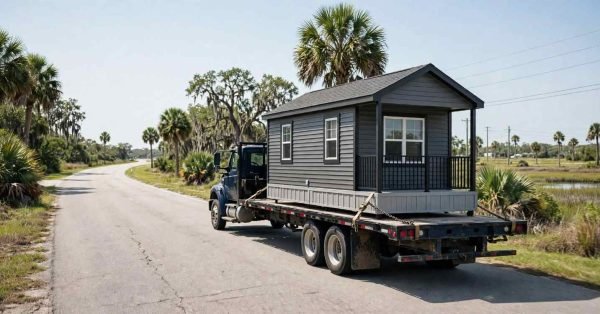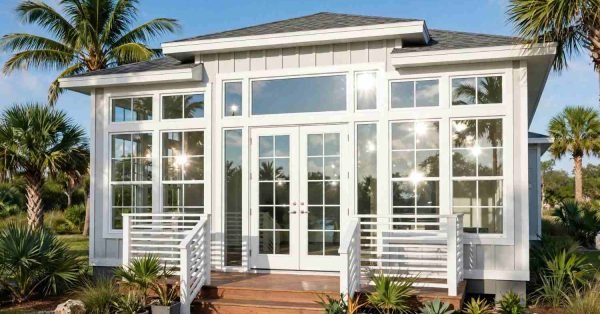
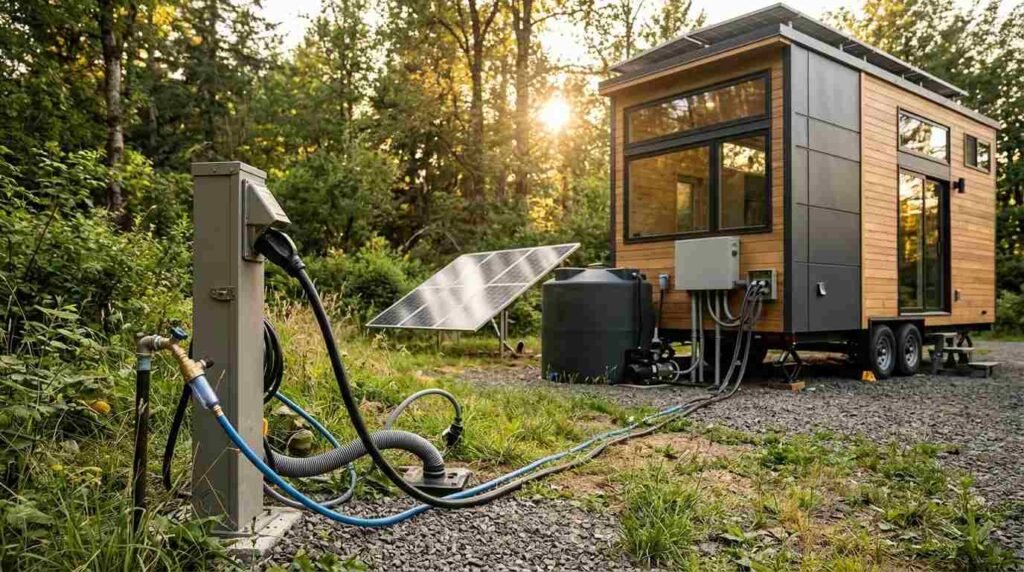
A tiny house hookup is the process of connecting a tiny home to electrical power, water, and wastewater systems, either through an RV park’s utility pedestal, a property’s grid connection, or a self-contained off-grid setup. I’ve walked clients through all three paths, and the right one depends entirely on where the house will sit and how it’ll be used. Most tiny house owners never plan this stage until the house is nearly finished, and that’s usually when problems show up.
Getting the hookup plan wrong costs real money in retrofits and failed inspections. I’ve seen homeowners discover their 30-amp shore power cord can’t run a full-size HVAC system.
This guide covers the three core utility systems every tiny house needs, how those systems differ across RV parks, grid-tied land, and off-grid setups, and the permitting, cost, and lifestyle factors that determine which path fits your situation. We’ll also flag the mistakes I see most often.
What Hooking Up a Tiny House Actually Means
Hooking up a tiny house means connecting it to the three essential utility systems: electrical power, water supply, and wastewater disposal. Every livable tiny house needs all three working together, regardless of whether it’s parked at an RV site, sitting on a permanent foundation, or living entirely off-grid.
I always tell people to think of these three systems as independent decisions. You can be on-grid for power but off-grid for water, or vice versa.
The Three Utility Systems Every Tiny House Needs
Electrical, water, and sewer hookups each have their own connection method, and a tiny house can mix and match depending on the site. A hybrid setup grid electricity with a composting toilet, for example is common among Florida tiny house owners who split time between RV parks and private land.
On-Grid vs. Off-Grid vs. Hybrid Setups
On-grid means tying into municipal or utility-company infrastructure. Off-grid means the house generates and stores its own resources through solar power, water tanks, and alternative waste systems. A hybrid setup blends both, which is where most full-time Florida tiny house owners actually land.
Tiny House Electrical Hookup Basics

Tiny house electrical hookups typically use either a 30-amp or 50-amp shore power connection, similar to an RV, or a direct tie-in to a standard home electrical panel. The right choice depends on how many high-draw appliances the house runs at once.
Shore Power vs. Standard Home Electrical Service
Shore power connections borrow RV industry standards, using a twist-lock plug and cord rated for either 30 or 50 amps. Standard home electrical service, by contrast, ties the tiny house into a dedicated panel wired to code, which supports higher continuous loads without tripping breakers during normal use.
Amperage Requirements (30-Amp vs. 50-Amp)
| Amperage | Typical Load Capacity | Best For |
| 30-amp | ~3,600 watts | Minimal appliances, no AC + electric water heater at once |
| 50-amp | ~12,000 watts | Full HVAC, electric range, and appliances running simultaneously |
This table shows why amperage planning matters before move-in: a tiny house running central air, an electric water heater, and a kitchen range at the same time will overload a 30-amp connection.
Transfer Switches and Panel Setup
A transfer switch lets a tiny house flip between shore power, grid power, and a backup generator without manually rewiring anything. Panel setup should be sized for the home’s actual appliance load, not just its square footage.
Hooking Up Water to a Tiny House
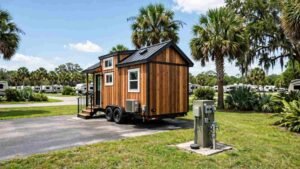
Tiny houses get water either from a municipal or RV park spigot connection, a private well, or an off-grid storage and catchment system. The connection method determines what kind of filtration and pressure regulation the house needs.
Connecting to a Municipal or RV Park Water Supply
RV parks and municipal hookups use a standard garden-hose-style connection with a pressure regulator to protect the tiny house’s internal plumbing from high municipal pressure. I never skip the regulator step; municipal pressure spikes have blown fittings on more than one job I’ve seen.
Well Water Hookups for Off-Grid Tiny Houses
Private land in rural Florida often relies on well water, which requires its own pump, pressure tank, and filtration before it reaches tiny house plumbing. Well water needs annual testing to confirm it meets safe drinking standards, especially for bacteria and mineral content.
Winterizing and Freeze Protection
Florida rarely sees hard freezes, but coastal and inland temperature swings still affect exposed tiny house plumbing lines. Heat tape and insulated skirting protect water lines on the rare nights temperatures drop into the 30s.
Tiny House Sewer and Wastewater Hookup Options
Tiny house wastewater can connect to an RV park sewer line, a private septic system, or run through a composting or alternative waste system entirely. Each option has different permitting and maintenance demands.
RV Park Sewer Connections
RV parks provide a standard sewer hookup using a flexible hose connected to a park-side cleanout, following the same system RVs have used for decades. Tiny houses on wheels with RV certification connect the same way without modification.
Septic System Hookups
A septic system hookup ties the tiny house’s plumbing into an underground tank and drain field, which handles wastewater on-site without a municipal connection. Florida septic permitting requires a percolation test before installation, since soil drainage rates vary significantly across the state.
Composting and Alternative Waste Systems
Composting toilets eliminate the need for a sewer or septic hookup entirely by separating liquid and solid waste for on-site processing. This option suits off-grid tiny houses on land without existing septic infrastructure or access to a sewer connection.
Hooking Up a Tiny House at an RV Park
Hooking up a tiny house at an RV park means using the same pedestal connections RVs use for power, water, and sewer, provided the tiny house meets the park’s size and certification requirements. Most parks treat a certified tiny house on wheels identically to a large RV.
What RV Parks Typically Provide
RV parks supply a utility pedestal with 30-amp or 50-amp power, a water spigot, and a sewer cleanout at each site. Some parks also include cable or Wi-Fi at the pedestal, though coverage quality varies widely across Florida parks.
Tiny House Compatibility with RV Hookup Standards
A tiny house needs an RVIA certification or equivalent inspection sticker to qualify for most RV park hookups. Parks without that certification requirement still expect the house to match standard RV cord and hose connections.
Connecting a Tiny House to the Grid on Private Land
Connecting a tiny house to the grid on private land requires a formal application to the local utility company, a permitted electrical panel, and an approved foundation or pad. This path takes longer than an RV park hookup but creates a permanent utility connection.
Permitting and Utility Company Coordination
Utility companies require a site plan, an electrical permit, and sometimes a dedicated meter base before running a line to a tiny house. Coordination typically takes several weeks in most Florida counties, longer in rural areas without existing nearby infrastructure.
Foundation and Utility Placement Requirements
Florida building codes tie utility placement to the foundation type, since a tiny house on a permanent foundation follows different inspection rules than one on wheels. Utility lines typically need to enter below frost line depth, though Florida’s climate makes this less critical than in northern states.
Going Off-Grid: Power Without Utility Hookups
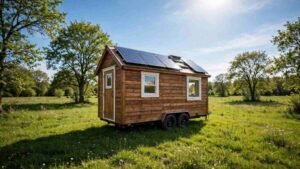
Going off-grid means generating all electrical power on-site through solar panels, battery storage, or a generator, without any connection to the utility grid. This path suits remote land or owners who want full energy independence.
Solar Power Systems for Tiny Houses
A typical tiny house solar system pairs rooftop or ground-mounted panels with a charge controller and inverter to convert stored energy into usable household power. A 2024 EnergySage analysis found that off-grid solar systems for small homes typically run between $15,000 and $30,000 fully installed, including battery storage.
Battery Storage and Backup Generators
Battery banks store solar-generated power for nighttime or cloudy-day use, while a backup generator covers gaps during extended low-sun periods. Lithium battery systems last significantly longer than older lead-acid setups, though they carry a higher upfront cost.
Off-Grid Water Solutions
Off-grid tiny houses get water through rainwater catchment, delivered water storage tanks, or a private well, since no municipal line is available. The right system depends on local rainfall patterns and tank capacity.
Rainwater Catchment Systems
Rainwater catchment collects runoff from the roof into a storage tank, filtered before it enters the tiny house’s plumbing. Florida’s high annual rainfall makes catchment systems unusually effective compared to drier states.
Water Storage Tanks and Delivery
Fresh water storage tanks range from 25 to 100+ gallons depending on the tiny house’s size and how often delivery service can refill them. Owners farther from a delivery route typically install larger tanks to stretch time between refills.
Propane and Alternative Fuel Hookups
Propane hookups power a tiny house’s stove, water heater, and sometimes heating system through a tank connected via a regulator and copper or flexible gas line. Propane works independently of the electrical hookup, which makes it valuable for off-grid setups.
Propane Tank Sizing and Placement
A 20-pound tank suits occasional cooking use, while a 100-pound or larger tank supports full-time cooking, water heating, and supplemental heat. Tank placement must meet clearance distances from windows, doors, and ignition sources under most local fire codes.
Propane vs. Electric Appliances
Propane appliances reduce electrical load significantly, which matters most on off-grid solar systems with limited battery capacity. Electric appliances simplify installation but demand more from the power system, especially on 30-amp connections.
Internet and Connectivity Hookups
Tiny houses typically connect to the internet through cellular hotspot service or satellite internet, since most sites lack access to wired broadband. Connection speed and reliability vary significantly by location across Florida.
Cellular and Satellite Internet Options
Cellular hotspots work well in populated areas with strong carrier coverage, while satellite internet services fill gaps in rural or remote locations. Satellite systems require a clear view of the sky, which can be a challenge under dense tree cover.
Zoning, Permits, and Legal Requirements for Utility Hookups
Zoning and permitting requirements for tiny house utility hookups vary by Florida county, with some requiring full code compliance and others treating tiny houses as RVs or accessory dwelling units. Checking local rules before buying land or booking an RV site prevents costly surprises later.
Florida-Specific Tiny House Regulations
Florida has no single statewide tiny house code, which means each county and municipality sets its own rules for minimum square footage, foundation type, and utility hookup standards. Florida Housing Coalition research notes that counties increasingly classify tiny houses on foundations as accessory dwelling units, subject to standard residential utility codes.
Inspections Required Before Hookup
Most jurisdictions require an electrical inspection, a plumbing inspection, and sometimes a final occupancy inspection before utilities can be legally activated. Skipping an inspection step can delay occupancy by weeks if a problem surfaces later.
Cost of Hooking Up a Tiny House (Grid vs. Off-Grid vs. RV Park)

Hooking up a tiny house costs anywhere from a few hundred dollars for an RV park connection to tens of thousands of dollars for a full off-grid solar and water system. The total depends heavily on site conditions and how much existing infrastructure is already in place.
Upfront Costs by Setup Type
| Setup Type | Typical Upfront Cost |
| RV Park Hookup | 0–500 (site fees only) |
| Grid Connection on Private Land | 3,000–15,000 |
| Full Off-Grid System | 20,000–40,000+ |
This table reflects the wide cost range driven mainly by distance from existing utility lines and whether solar and battery storage are required.
Ongoing Utility Costs Compared
RV park hookups bundle utility costs into a monthly site fee, often 400–900 depending on location. Grid-tied private land carries a standard utility bill, while off-grid systems have minimal ongoing costs beyond occasional generator fuel and battery maintenance.
Choosing the Right Hookup Setup for Your Lifestyle
The right hookup setup depends on whether the tiny house will be lived in full-time, used seasonally, or moved between locations regularly. Full-time off-grid living demands a more robust system than a weekend retreat ever needs.
Full-Time vs. Part-Time Living Considerations
Full-time off-grid living requires enough solar capacity and water storage to handle worst-case weather stretches, not just average conditions. Part-time or seasonal use allows for a smaller, less expensive system since gaps in supply matter less.
Common Mistakes When Hooking Up a Tiny House
The most common tiny house hookup mistakes are undersizing the electrical system, skipping a water pressure regulator, and failing to confirm local permitting before moving in. I’ve seen each of these cause expensive rework after the house was already occupied.
Underestimating total appliance load leads to constant tripped breakers on a 30-amp system. Skipping the pressure regulator on a municipal water connection has blown fittings I’ve had to replace myself.
Conclusion
Hooking up a tiny house comes down to three systems working together: power, water, and waste, whether through an RV park, the grid, or full off-grid independence.
Each path carries its own permitting, cost, and lifestyle tradeoffs worth weighing carefully before committing to land or a park.
We build tiny houses designed around real hookup needs, and Tiny Home Builders Florida can help you plan the right setup from day one.
Frequently Asked Questions
Can a tiny house be hooked up like an RV?
Yes, a certified tiny house on wheels can connect to RV park utilities using the same power, water, and sewer pedestal hookups. Certification requirements vary by park.
Do I need a permit to hook up utilities for a tiny house?
Permits are typically required for grid electrical connections and septic hookups on private land. RV park hookups usually don’t require separate permits since the park holds existing utility permits.
How much does it cost to hook up a tiny house off-grid?
A full off-grid setup with solar, battery storage, and water systems typically costs $20,000 to $40,000 or more. Costs vary based on energy needs and water storage capacity.
Can a tiny house use regular household electrical service?
Yes, a tiny house on a permanent foundation can connect directly to a standard home electrical panel instead of RV-style shore power. This requires a licensed electrician and local permitting.
What size propane tank does a tiny house need?
A 20-pound tank works for occasional cooking, while full-time cooking and water heating typically need a 100-pound or larger tank. Tank size depends on appliance usage frequency.
Is well water safe and legal for a tiny house in Florida?
Well water is legal for tiny houses in most Florida counties, provided it passes safety testing and meets local health department standards. Annual testing is recommended for ongoing safety.
Can a tiny house survive completely off-grid year-round?
Yes, with properly sized solar, battery storage, and water systems, a tiny house can run entirely off-grid year-round. System sizing must account for seasonal weather variation.