
I’ve walked through hundreds of park model homes in various stages of construction, and the best materials for park model home construction are kiln-dried lumber or steel-reinforced framing, fiber cement or metal siding, closed-cell spray foam insulation, impact-rated windows, and steel chassis foundations rated for hurricane-force wind loads. These materials hold up under transport stress, Florida humidity, and severe weather in ways cheaper alternatives simply can’t.
Florida’s climate punishes weak construction fast. Salt air corrodes metal, humidity breeds mold, and hurricane winds expose every shortcut a builder took.
This guide covers what separates premium materials from builder-grade substitutes across framing, siding, roofing, insulation, windows, flooring, and foundation systems, plus how Florida’s climate specifically shapes smart material choices and what questions actually reveal a builder’s material standards.
What Makes a Material “Best” for Park Model Home Construction
The best materials for park model construction share three traits: they survive the stress of transport and setup, they meet or exceed ANSI A119.5 standards, and they minimize long-term maintenance costs. I look at these three factors before I ever look at price.
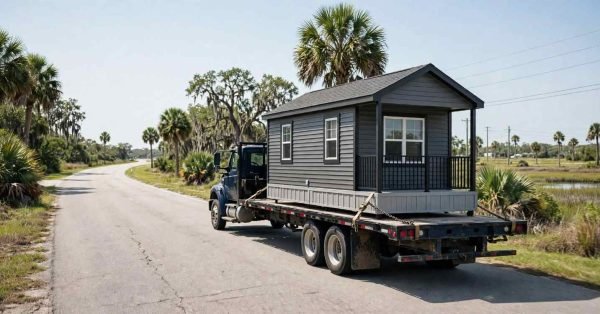
Park model homes get built in a factory, then trucked and craned into position. That transport stress cracks weak materials that would never fail in a site-built home. A material that looks fine in a showroom can fail within the first year if it wasn’t engineered for that specific kind of physical stress.
ANSI A119.5 is the recreational vehicle industry’s construction and safety standard, and it governs everything from wall thickness to electrical systems in park model homes. Builders who exceed these minimums, rather than just meeting them, tend to use heavier-gauge materials throughout the structure.
Durability Against Weather and Transport Stress
Durability here means a material resists cracking, warping, or failing during both the move to the home site and years of exposure afterward. Vibration during transport loosens fasteners and stresses joints in ways stationary construction never experiences.
I’ve seen fiber cement siding survive a 200-mile tow with zero cracking, while cheaper vinyl paneling on a similar unit showed stress fractures at every corner. The material difference wasn’t cosmetic. It was structural.
Compliance with ANSI A119.5 Standards
ANSI A119.5 sets minimum requirements for wall construction, insulation, wind resistance, and electrical systems in park model homes. A builder meeting only the minimum standard is building to survive inspection, not to survive a decade of Florida summers.
I always ask what gauge steel is used in the chassis and whether insulation R-values exceed the ANSI minimum. The gap between “passing” and “built right” usually shows up in these two numbers first.
Long-Term Maintenance and Lifecycle Cost
A material’s true cost includes what you’ll spend maintaining it over 15 to 20 years, not just its sticker price at construction. Fiber cement siding costs more upfront than vinyl but needs repainting far less often in humid climates.
Cheap materials shift the cost from the builder’s invoice to your future maintenance budget. Lifecycle cost is the real comparison point between two builders quoting different prices.
Structural Framing Materials

Structural framing in park model homes relies primarily on kiln-dried lumber, steel-reinforced chassis systems, and engineered wood products, each chosen for strength-to-weight ratio and resistance to the stress of transport. The frame is the skeleton everything else depends on.
A frame that flexes too much during towing transfers that stress to drywall, siding, and window seals, causing cracks that show up months after installation. I treat framing choice as the single most consequential material decision in the entire build.
Kiln-Dried Lumber Framing
Kiln-dried lumber is wood that has been dried in a controlled oven environment to a specific moisture content, which prevents warping and shrinking after construction. Green or air-dried lumber keeps moving as it dries naturally, pulling nails and cracking joints over time.
Florida’s humidity makes this distinction even more important than in drier climates. Lumber framing that wasn’t properly kiln-dried before use will often warp within its first humid season, long before any other part of the home shows wear.
Steel-Reinforced Chassis Construction
A steel-reinforced chassis is the structural steel beam frame that supports the entire park model home and distributes weight during transport and in its final resting position. This chassis is what differentiates a park model from a conventional stick-built structure at the foundation level.
Heavier gauge steel in the chassis resists bending under the torsional stress of towing far better than lighter steel. RV Industry Association data shows chassis failure is among the leading causes of structural damage in transported manufactured structures, which is why chassis gauge deserves real scrutiny.
Engineered Wood Products
Engineered wood products, like laminated veneer lumber and oriented strand board, combine wood fibers and adhesives to create building materials stronger and more dimensionally stable than standard lumber. These products resist the warping and splitting that can plague natural lumber in high-humidity regions.
I see more builders shifting toward engineered wood for roof trusses and subfloor applications specifically because of this stability advantage in coastal climates.
Exterior Siding Materials
The three primary siding materials for park model homes are fiber cement, vinyl, and engineered wood composite, each offering different trade-offs between upfront cost, maintenance demand, and weather resistance. Siding is your home’s first line of defense against Florida’s combination of sun, rain, and salt air.
| Siding Material | Upfront Cost | Maintenance | Hurricane Resistance | Lifespan |
| Fiber Cement | High | Low | Excellent | 30–50 years |
| Vinyl | Low | Low–Moderate | Good | 20–30 years |
| Engineered Wood Composite | Moderate | Moderate | Good | 20–25 years |
This comparison shows why fiber cement dominates premium builds despite its higher upfront cost: it trades a larger initial investment for dramatically lower long-term maintenance and better wind resistance.
Fiber Cement Siding
Fiber cement siding is a composite material made from cement, sand, and cellulose fibers that resists rot, fire, and insect damage far better than wood or vinyl alternatives. It holds paint longer in humid climates and doesn’t warp from moisture exposure the way wood products can.
Vinyl Siding
Vinyl siding is a plastic-based exterior cladding valued for its low cost and minimal maintenance, though it can become brittle and crack under impact in extreme heat or cold. Quality varies enormously between vinyl grades, and thin vinyl is one of the first places builders cut costs.
Hardie Board vs. Wood Siding
Hardie board, a brand of fiber cement siding, outperforms traditional wood siding in humid and coastal environments because it doesn’t absorb moisture or attract termites the way untreated wood does. Wood siding requires more frequent repainting and sealing to prevent the rot that Florida’s climate accelerates.
Roofing Materials for Park Model Homes
Metal roofing and architectural asphalt shingles are the two dominant roofing choices for park model homes, with metal increasingly preferred in Florida for its superior wind resistance and longevity. The roof takes the most direct abuse from both sun exposure and storm wind uplift.
Metal Roofing Systems
Metal roofing is a roof covering made from steel or aluminum panels engineered to withstand wind uplift and reflect solar heat better than most other roofing materials. Florida Building Code wind zone requirements often favor metal roofing in coastal counties specifically because of its uplift resistance ratings.
Asphalt Shingle Roofing
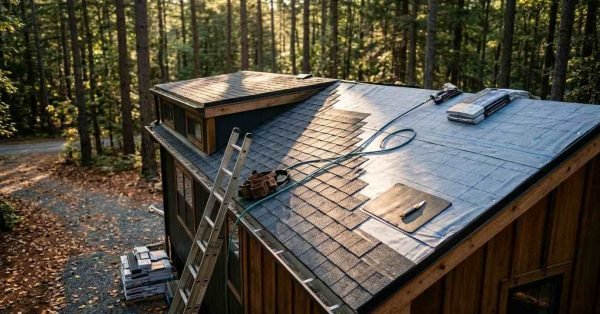
Asphalt shingle roofing uses layered asphalt-coated fiberglass mats to shed water, offering a lower upfront cost than metal but a shorter lifespan in high-UV, high-humidity climates. Shingles in Florida typically need replacement sooner than the same product would in a milder climate.
Roof Pitch and Wind Rating Considerations
Roof pitch affects wind performance directly: steeper pitches generally shed wind more effectively but also present more surface area to lateral gusts during hurricanes. I look for roofing systems rated to at least 130 mph wind speeds for any park model destined for Florida’s coastal or central regions.
Insulation Materials and Thermal Performance
Closed-cell spray foam and fiberglass batt insulation are the primary insulation choices in park model homes, with spray foam offering superior air sealing and moisture resistance critical to Florida’s humid conditions. Insulation quality determines both comfort and long-term energy costs far more than most buyers initially realize.
Spray Foam Insulation
Spray foam insulation is an expanding polyurethane material applied wet that hardens into an airtight barrier, blocking both heat transfer and moisture infiltration better than fibrous alternatives. This moisture-blocking property matters enormously in Florida, where humidity infiltration drives mold growth inside wall cavities.
Fiberglass Batt Insulation
Fiberglass batt insulation consists of pre-cut fiber mats installed between wall studs, offering a lower-cost option that performs adequately but allows more air infiltration than spray foam. It remains common in budget-tier park models but requires more careful installation to avoid gaps that reduce its effective R-value.
R-Value Requirements for Florida Climates
R-value measures a material’s resistance to heat flow, and the U.S. Department of Energy recommends a minimum R-13 to R-15 for walls in Florida’s hot-humid climate zone. Park model homes exceeding these minimums see measurably lower cooling costs during peak summer months.
Windows and Door Materials
Vinyl-framed, impact-rated windows and solid-core exterior doors represent the current standard for quality park model construction in hurricane-prone regions. Window and door quality affects both energy efficiency and storm survivability simultaneously.
Vinyl vs. Aluminum Window Frames
Vinyl window frames insulate better than aluminum frames because vinyl doesn’t conduct heat the way metal does, reducing energy transfer through the window assembly. Aluminum frames remain lighter and sometimes cheaper, but they create a thermal bridge that increases cooling costs in Florida’s climate.
Impact-Resistant Glass for Hurricane Zones
Impact-resistant glass contains a laminated interlayer that keeps the glass intact even when shattered by wind-borne debris, a requirement in many Florida coastal building codes. This single material choice often determines whether a home needs separate hurricane shutters.
Door Core Materials and Weatherproofing
Solid-core doors use a dense foam or wood composite interior that resists warping and provides better insulation and sound dampening than hollow-core alternatives. Exterior door weatherstripping quality also determines how much humid air infiltrates the home around the frame.
Flooring Materials

Luxury vinyl plank and engineered hardwood dominate quality park model flooring, chosen for their resistance to the humidity and temperature swings common during transport and Florida living. Flooring material also needs to handle the structural flex that occurs during the move from factory to home site.
Luxury Vinyl Plank Flooring
Luxury vinyl plank flooring is a multi-layer synthetic product that mimics wood or stone appearance while remaining fully waterproof and resistant to the moisture common in Florida homes. It has become the dominant flooring choice specifically because it tolerates humidity without the swelling that affects natural wood products.
Engineered Hardwood
Engineered hardwood consists of a real wood veneer layered over a stable plywood core, offering a genuine wood appearance with better dimensional stability than solid hardwood in humid conditions. It still requires more moisture management than vinyl plank but delivers a premium look many buyers prefer.
Subfloor Material Quality
Subfloor quality, typically plywood or oriented strand board, determines how well the finished flooring performs over time regardless of which surface material sits on top. A warped or undersized subfloor will telegraph problems into even the best luxury vinyl plank installed above it.
Interior Wall and Ceiling Materials
Standard drywall, moisture-resistant wall board, and select wood paneling make up the primary interior wall and ceiling materials in park model homes. These choices affect both the home’s acoustic feel and its resistance to interior humidity.
Drywall vs. Wood Paneling
Standard drywall offers a smooth, paintable surface and better fire resistance than wood paneling, while wood paneling provides a distinct aesthetic some buyers specifically request. Weight also matters in a towed structure, and drywall’s weight distribution is more predictable during transport.
Moisture-Resistant Wall Board
Moisture-resistant wall board, often called green board, contains additives that resist mold growth in bathrooms, kitchens, and other high-humidity zones within the home. This material choice in wet areas prevents a common failure point in budget-tier construction.
Ceiling Height and Material Impact on Comfort
Ceiling material and height together affect both the perceived spaciousness and the actual heat retention within a park model home. Vaulted ceilings using lighter engineered materials let builders add height without adding structural weight that complicates transport.
Foundation and Anchoring Materials
Steel I-beam chassis systems combined with hurricane tie-down anchoring represent the structural foundation standard for park model homes in Florida. This system has to do double duty: support the home’s full weight and resist uplift during hurricane-force winds.
Steel I-Beam Chassis
The steel I-beam chassis forms the structural spine beneath a park model home, distributing weight evenly while providing the rigidity needed to survive towing stress. Heavier I-beam gauges correlate directly with better long-term structural performance in Florida’s humid, salt-exposed environment.
Hurricane Tie-Down Systems
Hurricane tie-down systems use steel straps and ground anchors engineered to resist the uplift forces hurricane winds generate against a lightweight structure. Florida Building Code mandates specific anchor spacing and strap-rated capacities based on a property’s wind zone designation.
Pier and Pad Foundation Materials
Pier and pad foundations use concrete blocks or poured concrete piers to elevate and support the home above grade, improving drainage and reducing moisture exposure to the chassis. Proper pier spacing, matched to the home’s weight distribution, prevents the sagging that undersized foundations eventually develop.
Plumbing and Electrical System Materials
PEX piping and copper wiring rated to current electrical code represent the quality standard for park model plumbing and electrical systems. These systems are largely invisible once construction finishes, which makes material quality here especially easy for builders to shortcut.
PEX vs. Copper Piping
PEX piping is a flexible cross-linked polyethylene tubing that resists the vibration damage of transport better than rigid copper piping, which can develop stress fractures at joints. Copper remains more resistant to UV degradation and rodent damage, making it still common in exposed runs.
Wiring Standards for Park Model Homes
Wiring in park model homes must meet both ANSI A119.5 and local electrical code requirements, with copper wiring remaining the standard for its conductivity and fire safety profile. Builders cutting corners on wire gauge create a hidden risk that won’t surface until the system is under real load.
Exterior Protective Coatings and Sealants
Weatherproof sealants and UV-resistant exterior paints protect every other exterior material from the compounding effects of Florida’s sun and moisture exposure. These products are inexpensive relative to the structural materials they protect, but their quality determines how long those structural materials actually last.
Weatherproof Sealants
Weatherproof sealants fill the gaps around windows, doors, and siding seams to prevent water infiltration that would otherwise rot framing and promote mold growth. A quality sealant with UV inhibitors resists the cracking that cheaper caulking develops within a single Florida summer.
UV-Resistant Exterior Paint and Coatings
UV-resistant exterior paint contains additives that slow the fading and chalking that intense sun exposure causes in standard paint formulations. This coating choice directly affects how often a homeowner needs to repaint, turning a maintenance cost into either a frequent or occasional expense.
Materials Suited Specifically for Florida’s Climate

Florida’s combination of hurricane wind loads, year-round humidity, and intense UV exposure demands materials rated for all three stresses simultaneously, not just one. A material that performs well against wind but fails against humidity still leaves the home vulnerable.
Hurricane-Rated Material Requirements
Hurricane-rated materials carry third-party certification confirming they withstand specific wind speeds and wind-borne debris impact, with Florida’s High-Velocity Hurricane Zone requiring the strictest ratings in the country. Miami-Dade County’s Product Approval system is widely treated as the industry’s toughest material certification benchmark nationally.
Humidity and Mold-Resistant Material Choices
Humidity-resistant materials, including moisture-resistant wall board and closed-cell spray foam, limit the moisture infiltration that allows mold colonies to establish inside wall cavities. Florida’s average humidity routinely exceeds 70%, which makes this material category a non-negotiable part of any quality build.
Heat Reflection and Energy Efficiency Materials
Heat-reflective roofing and radiant barrier materials reduce the attic temperature buildup that drives up cooling costs in Florida’s intense summer sun. A radiant barrier installed beneath metal roofing can meaningfully reduce the heat load reaching the living space below.
How Material Quality Affects Long-Term Home Value
Material quality directly shapes a park model home’s resale value and ongoing maintenance costs, with premium materials typically returning a higher percentage of their upfront cost at resale. Buyers increasingly ask about specific material brands and ratings during resale negotiations, not just general condition.
Resale Value and Material Reputation
Homes built with recognized, durable material brands tend to command stronger resale prices because buyers and inspectors alike recognize the reduced risk of hidden deterioration. A home with unbranded, generic materials often triggers more cautious offers during resale inspections.
Maintenance Costs Tied to Material Choice
The cumulative cost of repainting, resealing, and replacing lower-grade materials over a decade frequently exceeds what premium materials would have cost upfront. I encourage buyers to calculate this ten-year maintenance projection before comparing two builder quotes on price alone.
Questions to Ask Builders About Material Quality
The right questions about material brands, certifications, and specifications reveal far more about construction quality than any marketing brochure. Specific, verifiable answers separate builders who can back their claims from those who can’t.
Verifying Material Specifications and Certifications
Verifying material specifications means asking for the exact brand names, model numbers, and certification documents for framing, siding, roofing, and insulation before signing a contract. A builder who can produce these documents immediately is demonstrating the kind of transparency that correlates with genuine construction quality.
Conclusion
I’ve covered the framing, siding, roofing, insulation, and foundation materials that separate lasting park model homes from ones that fail early. Each choice compounds, affecting durability, comfort, and resale value together.
Florida’s climate makes material selection even more consequential, and the cluster of standards, ratings, and certifications above gives you a real framework for comparison. We’ve built our reputation on specifying exactly these materials in every home.
We’d welcome the chance to walk you through our material specifications in detail. Reach out to Tiny Home Builders Florida to start your build with transparency from day one.
Frequently Asked Questions
What is the best siding material for a park model home in Florida?
Fiber cement siding is generally the best option for Florida park model homes because it resists rot, humidity damage, and cracking better than vinyl or wood. It costs more upfront but requires significantly less maintenance over its 30 to 50 year lifespan.
How important is insulation R-value in park model homes?
R-value is critical because it directly determines cooling costs and indoor comfort in Florida’s hot, humid climate. The Department of Energy recommends R-13 to R-15 minimum for walls in this climate zone.
What wind rating should park model home materials meet in Florida?
Materials should meet at least a 130 mph wind rating for most Florida regions, with coastal High-Velocity Hurricane Zones requiring stricter Miami-Dade certified products. This rating applies to roofing, windows, and siding systems together.
Is metal roofing better than asphalt shingles for park model homes?
Metal roofing generally outperforms asphalt shingles in Florida due to superior wind uplift resistance and a longer lifespan under intense UV exposure. Asphalt shingles cost less upfront but typically need replacement sooner in this climate.
What foundation materials work best for park model homes?
Steel I-beam chassis combined with hurricane tie-down anchoring systems provide the strongest foundation approach for Florida park model homes. Pier and pad systems using concrete further improve drainage and reduce moisture exposure.
Does PEX or copper piping work better in park model homes?
PEX piping generally performs better in transported structures because it resists the vibration-related stress fractures that can develop in rigid copper piping. Copper remains preferred for exposed runs due to its UV and rodent resistance.
How can I verify a builder’s material quality claims?
Ask for exact brand names, model numbers, and third-party certification documents for framing, siding, roofing, and insulation before signing a contract. A builder who provides this documentation readily is demonstrating real transparency about construction quality.