
The right lot determines almost everything else about your custom home before a single blueprint gets drawn. A buildable lot is a parcel of land that meets zoning, soil, drainage, and access requirements needed to support a home’s foundation and utilities. Soil composition, flood risk, utility access, and zoning restrictions all decide what you can build, how much it costs, and how long construction takes.
I’ve watched too many homeowners fall in love with a view and skip the groundwork. That mistake gets expensive fast once permits stall or soil tests fail.
This guide covers how to judge whether land is truly buildable, the Florida-specific risks tied to flood zones and hurricanes, what utility and site testing actually involves, how to estimate real development costs, and the design and financing factors that connect your lot to the home you’ll eventually build.
What Makes a Lot “Buildable” Before You Fall in Love With It
A buildable lot is one where soil, topography, and legal boundaries all support the home you intend to construct. I always tell clients to verify buildability before they get emotionally attached to a piece of land. Three things determine this: what’s under the ground, what shape the ground takes, and where you’re legally allowed to build on it.
Soil Composition and Load-Bearing Capacity
Soil composition is the makeup of a site’s ground layers, including sand, clay, and organic material, that determines how much weight a foundation can safely bear. Florida’s sandy soils drain well in some areas and collapse under load in others, especially near old wetlands or filled-in lots. I never recommend skipping a soil evaluation, even on land that looks solid from the surface.
Topography, Slope, and Grading Needs
Flat lots cost less to prepare, but they’re not automatically better. A lot with moderate slope can actually improve drainage and reduce flood risk if it’s graded correctly. We look at elevation changes across the parcel because steep grades mean more fill dirt, retaining walls, and excavation costs before construction even starts.
Setbacks, Easements, and Buildable Envelope
Your buildable envelope is the specific area within a lot’s boundaries where construction is legally permitted after setbacks and easements are applied. Utility easements, drainage rights-of-way, and required setbacks from property lines can shrink a seemingly spacious lot into a tight building footprint. I always pull the plat map early so there are no surprises once the design phase begins.
Understanding Zoning and Land Use Restrictions

Zoning classification dictates what type of structure you’re allowed to build, how tall it can be, and how it can be used. Every county in Florida handles this differently, and getting it wrong after purchase is one of the costliest mistakes a buyer can make.
Residential Zoning Classifications in Florida
Residential zoning designations like RSF-1 or RSF-2 define lot size minimums, density limits, and sometimes architectural requirements. I’ve seen buyers assume a lot was approved for a single-family custom home only to discover it was zoned for multi-family use with different building rules entirely.
HOA and Deed Restriction Red Flags
Deed restrictions are private agreements attached to a property title that can limit home size, exterior materials, or even roofline design regardless of what zoning allows. We read these documents line by line because an HOA’s architectural review board can override your design preferences completely.
Flood Zones and Florida-Specific Site Risks
Florida’s flat terrain and coastal exposure put a huge share of its buildable land inside federally mapped flood zones, and this single factor affects insurance costs, construction requirements, and resale value more than almost anything else on this list.
FEMA Flood Maps and Base Flood Elevation
Base flood elevation is the projected height floodwater could reach during a 100-year storm event, and it’s the number that determines how high your home’s lowest floor must sit. According to FEMA’s National Flood Hazard mapping data, properties in high-risk zones (labeled A or V) require elevated construction that can add 10% to 20% to foundation costs. I pull the FEMA flood map for every lot before a client makes an offer, because this number changes the entire foundation design.
Flood Insurance Cost Implications
Flood insurance premiums in high-risk zones can run several thousand dollars annually, and that’s an ongoing cost that factors into whether a lot is actually affordable long-term. A 2024 NAIC analysis found that the average flood insurance premium in high-risk Florida counties reached $1,900 per year, nearly triple the national average.
Wind Zones and Hurricane Exposure Considerations
Wind zone classification determines the structural wind-load requirements a home must meet, which directly affects framing methods and roofing material choices. Coastal and high-velocity hurricane zones require reinforced construction techniques that cost more upfront but protect the home’s long-term durability.
Utility Access and Infrastructure Readiness

A lot that looks move-in ready on paper can still be missing the basic infrastructure a home needs to function. Utility access is one of the fastest ways to tell an established lot from a raw, undeveloped one.
Municipal Water and Sewer vs. Well and Septic
Lots inside municipal service areas connect directly to public water and sewer lines, while rural parcels typically require a private well and septic system. Septic system requirements depend entirely on soil percolation rates, which means a lot’s buildability for septic can’t be confirmed until testing happens.
Electrical, Gas, and Broadband Availability
Extending electrical service to a remote lot can cost thousands of dollars per pole if the nearest line sits far from the property. I always confirm the distance to the nearest utility connection point before pricing out a build, because this line-item surprises more buyers than almost any other.
Lot Orientation and Solar Positioning
Lot orientation is the direction a parcel faces relative to the sun’s path, and it has a measurable impact on a home’s cooling costs across a Florida summer.
Sun Path, Shading, and Energy Efficiency Impact
A home oriented with its long axis running east-west reduces direct solar exposure on the largest wall surfaces, which lowers cooling demand significantly. We factor sun path into design recommendations from day one, because orientation decisions made at the lot-selection stage are nearly impossible to correct later without redesigning the entire floor plan.
Soil and Site Testing Before You Buy
Site testing is the formal process of evaluating a lot’s soil, drainage, and ground stability before construction begins, and skipping it is the single riskiest shortcut a land buyer can take.
Percolation Tests for Septic Systems
A percolation test measures how quickly water drains through soil, and the result directly determines whether a septic system can be installed and what size drain field it requires. Lots that fail perc testing sometimes require expensive engineered septic alternatives, or they can’t support septic at all.
Geotechnical Reports and What They Reveal
A geotechnical report is a soil engineer’s documented analysis of a site’s load-bearing capacity, compaction needs, and groundwater level. Research published by the American Society of Civil Engineers indicates that foundation failures tied to inadequate soil testing account for a meaningful share of residential structural claims nationally. I treat this report as non-negotiable before any lot purchase moves forward.
Estimating True Site Development Costs
Site development costs are the expenses required to prepare raw land for construction, separate from the cost of building the home itself, and they’re consistently underestimated by first-time land buyers.
Clearing, Grading, and Fill Dirt Expenses
Clearing vegetation, grading the site level, and bringing in fill dirt to raise low-lying areas can add tens of thousands of dollars before the foundation is even poured. Heavily wooded or wetland-adjacent lots almost always carry higher clearing costs than open parcels.
Hidden Costs That Inflate Your Budget
Impact fees, permit costs, tree removal permits, and utility hookup charges rarely show up in a lot’s listed price but show up fast once the project starts. I walk every client through a full site development estimate before they sign a purchase agreement, not after.
Lot Size, Shape, and Home Design Compatibility
A lot’s dimensions directly constrain what floor plan options are realistically available, regardless of what a buyer originally had in mind.
How Lot Dimensions Shape Floor Plan Options
Narrow lots push designs toward vertical, multi-story layouts, while wide shallow lots favor sprawling single-story footprints. We match floor plan selection to lot shape early, because forcing an incompatible design onto the wrong parcel almost always means costly change orders during construction.
Neighborhood, Location, and Long-Term Value Factors

A lot’s surrounding neighborhood affects both day-to-day living and the home’s long-term resale value just as much as the physical land itself.
School Districts and Community Growth Trends
School district quality is one of the most consistent predictors of long-term property value appreciation, even for buyers without school-age children. Growth trends in surrounding infrastructure, like new commercial development or road expansion, signal where demand is heading over the next decade.
Resale Value and Market Appreciation Signals
Comparable sales data for nearby lots and recently built homes give a realistic picture of what appreciation to expect. I pull recent comps for every client because a beautiful lot in a stagnant market behaves very differently than the same lot in a growing one.
Environmental and Natural Hazard Considerations
Environmental restrictions tied to a lot can limit buildable area or add permitting steps that catch buyers off guard if they’re not identified early.
Wetlands, Protected Species, and Conservation Limits
Wetland boundaries and protected species habitats can remove significant buildable acreage from a lot, even when the parcel’s total size looks generous on paper. Conservation easements tied to a property title can permanently restrict development in designated zones.
Wildfire, Drainage, and Erosion Risk
Poor natural drainage on a lot can cause standing water problems that worsen over time, especially as surrounding land gets developed and runoff patterns shift. I check the broader watershed context around a lot, not just the parcel boundaries themselves.
Working With Surveyors, Engineers, and Your Builder
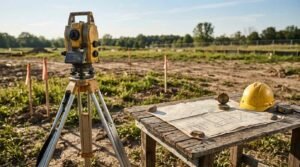
Bringing in the right professionals before you close on land prevents the vast majority of costly surprises that surface mid-construction.
Questions to Ask Before Signing a Purchase Contract
A boundary survey confirms exact property lines, easement locations, and encroachments before you’re legally committed to a purchase. I recommend every buyer request a current survey, a title search, and a builder site visit before any contract becomes binding, because verbal assurances from a seller carry no legal weight.
Financing and Securing a Lot for Custom Construction
Financing raw land works differently than financing a completed home, and understanding that difference early prevents closing delays later.
Land Loans vs. Construction-to-Permanent Loans
A land loan is a short-term financing product used to purchase a lot before construction begins, typically carrying higher interest rates than a mortgage. A construction-to-permanent loan combines land purchase, build costs, and the final mortgage into a single financing package, which simplifies the process considerably for most custom home buyers.
Common Lot Selection Mistakes That Cost Homeowners Later
Most expensive lot mistakes trace back to skipped due diligence rather than bad luck. Buyers who skip soil testing, ignore flood maps, or trust a seller’s verbal claims about utility access consistently pay for it during construction. I’ve seen buyers lose months to permitting delays because a lot’s zoning didn’t match their intended home design at all.
Conclusion
Choosing a lot means weighing soil, zoning, flood risk, utilities, and cost together, not separately. The right parcel sets up every later decision in your custom build, from design to financing to long-term value.
We help homeowners evaluate land with the same rigor we bring to construction itself. Reach out to Tiny Home Builders Florida before you sign anything on a lot.
Frequently Asked Questions
What should I look for when buying land to build a house in Florida?
Check zoning classification, flood zone status, soil composition, and utility access first. These four factors determine whether a lot is truly buildable and what your total development cost will look like.
How do I know if a lot is buildable?
A lot is buildable when it passes soil testing, meets zoning requirements, and has confirmed utility access or a viable septic alternative. A geotechnical report and survey confirm this before purchase.
What is a percolation test and do I need one?
A percolation test measures how fast water drains through soil to determine septic system feasibility. You need one before buying any lot without municipal sewer access.
How much does it cost to prep a lot for construction?
Site prep costs vary widely based on clearing, grading, and fill dirt needs, often ranging from $10,000 to $50,000 or more. Wooded or low-lying lots typically cost more to prepare.
Does lot orientation really affect energy efficiency?
Yes, lot orientation measurably affects cooling costs by controlling solar exposure on exterior walls. An east-west oriented home reduces direct sun on its largest surfaces during Florida summers.
What flood zone information should I check before buying land?
Check the FEMA flood map designation and base flood elevation requirement for the specific parcel. High-risk zones require elevated construction and carry significantly higher insurance premiums.
Should I hire a surveyor before making an offer on land?
Yes, a boundary survey confirms property lines, easements, and encroachments before you’re contractually committed. This step prevents costly legal disputes after closing