
Sustainable park model homes combine energy-efficient design, renewable power systems, and durable, low-impact materials to reduce environmental footprint while lowering long-term utility costs. I’ve watched more Florida buyers ask about solar readiness and insulation ratings than floor plans alone this past year. That shift matters because a smaller footprint only delivers real sustainability when the systems inside it are built to perform.
Florida’s heat and humidity push energy costs higher than almost anywhere else in the country, and a poorly built park model home amplifies that problem daily.
This guide walks through the building blocks of eco-friendly park model construction: the energy systems and insulation that cut utility bills, the materials and certifications that signal real sustainability, Florida-specific site and durability factors, and the costs, incentives, and builder questions that help you separate genuine green construction from marketing language.
What Makes a Park Model Home Sustainable?
A sustainable park model home is a compact dwelling built with energy-efficient systems, low-impact materials, and water-conserving fixtures that reduce resource consumption without sacrificing comfort. I think of sustainability here less as a single feature and more as a chain of decisions, from the materials in the walls to the systems that heat and cool the space.
Square footage alone doesn’t make a home sustainable. A 400-square-foot park model with poor insulation and a standard window unit can waste more energy per square foot than a well-built full-size house.
Park Model Homes vs. Traditional Home Sustainability
Traditional homes achieve efficiency through scale and layered systems. Park model homes achieve it through tight building envelopes and smart system selection, since there’s simply less space to lose energy through.
The compact structure actually works in favor of sustainability once the right materials and systems are chosen, because every improvement affects a proportionally larger share of the home’s total energy use.
Energy-Efficient Design and Insulation Systems
The insulation and building envelope of a park model home determine how much energy it takes to maintain a comfortable indoor temperature in Florida’s climate. I’ve seen buyers focus on appliances and skip insulation, which almost always backfires on the first August electric bill.
Insulation R-Values for Park Model Construction
Walls, floors, and roofs each need different R-values to perform well in a hot, humid climate, and roof insulation carries the heaviest load since that’s where Florida sun hits hardest. Spray foam insulation closes gaps that batt insulation tends to leave behind in tight framing cavities.
| Component | Minimum R-Value (Florida Climate Zone) | Common Material |
| Roof/Ceiling | R-30 to R-38 | Spray foam, rigid foam board |
| Walls | R-13 to R-21 | Spray foam, mineral wool |
| Floor | R-19 to R-25 | Rigid foam board |
This table shows the baseline insulation targets that keep a park model home efficient in a hot, humid climate.
Passive Solar Design Principles
Passive solar design orients windows, overhangs, and shading to reduce heat gain in summer and capture useful warmth in cooler months. Strategic window placement on the south and east-facing walls, paired with deep roof overhangs, cuts cooling demand before any mechanical system even turns on.
Sustainable Building Materials and Sourcing
Material choice shapes both the environmental footprint and the indoor air quality of a park model home. I always tell buyers that what goes into the walls matters as much as what’s installed on top of them.
Reclaimed and Recycled Material Options
Reclaimed wood, recycled steel framing, and recycled denim insulation reduce demand on virgin materials while often performing as well as conventional options. Builders sourcing these materials locally also cut transportation emissions tied to the build.
Low-VOC and Non-Toxic Material Standards
Low-VOC paints, adhesives, and sealants reduce the off-gassing that affects indoor air quality in a tightly sealed small home. A compact living space concentrates airborne chemicals faster than a larger house, which makes material selection a health issue as much as an environmental one.
Energy-Efficient HVAC and Climate Control
Climate control accounts for the largest share of energy use in a Florida park model home, so system choice directly determines long-term efficiency. I’ve found that buyers who skip this decision early almost always regret it once summer humidity sets in.
Mini-Split Systems for Small Footprints
Ductless mini-split systems cool and heat individual zones without the energy losses that come from ductwork running through a small structure. Mini-splits also allow homeowners to condition only the rooms in use, which matters in a home where every square foot already does double duty.
Solar Power and Renewable Energy Integration
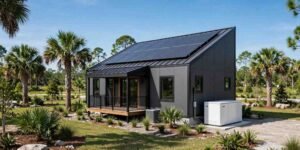
Solar power systems let a park model home generate its own electricity, cutting grid dependence and utility costs over the life of the home. A 2024 EnergySage analysis found that the average solar payback period across U.S. markets is 8.1 years, with Florida’s high sun exposure often pushing that timeline shorter.
Solar Panel Sizing for Park Model Homes
A typical park model home needs between 2 and 4 kilowatts of solar capacity to offset standard electricity use, depending on insulation quality and appliance load. Roof space constraints on a smaller structure make panel efficiency ratings more important than they would be on a full-size home.
Battery Storage and Off-Grid Capability
Battery storage systems bank excess solar energy for use during cloudy days or overnight, and sizing them correctly determines whether a home can run fully off-grid. Lithium iron phosphate batteries have become the standard choice for residential storage because of their longer cycle life compared to older lead-acid systems.
Water Conservation and Greywater Systems

Water conservation systems reduce both utility costs and environmental strain, which matters in Florida given the state’s ongoing water management pressures. Every gallon saved in a park model home also reduces the load on septic or sewer systems that are often already sized conservatively.
Low-Flow Fixtures and Tankless Water Heaters
Low-flow showerheads and faucets cut water use by up to 30% compared to standard fixtures, while tankless water heaters eliminate the standby energy loss of traditional tank units. Tankless systems also free up valuable space in a floor plan where every closet and cabinet counts.
Sustainable Site Selection and Land Use in Florida
Where a park model home sits on its lot affects its sustainability as much as what the home is built from. I’ve seen well-built homes underperform simply because the site wasn’t considered during planning.
Florida Climate Considerations for Eco-Friendly Siting
Orienting a home to capture prevailing breezes and positioning it to avoid full afternoon sun exposure reduces cooling demand throughout the year. Elevated siting also protects against flooding risk, which matters across much of Florida’s low-lying terrain.
Waste Reduction During Construction
Construction waste reduction lowers the environmental impact of building a park model home before the homeowner even moves in. Prefabricated and modular construction methods generate significantly less job-site waste than traditional stick-built construction, since most cutting and assembly happens in a controlled factory setting.
Builders who separate recyclable materials like metal, cardboard, and wood scraps on-site can divert a meaningful share of construction debris away from landfills.
Smart Home Technology for Energy Monitoring
Smart home technology gives homeowners real-time visibility into energy use, which turns abstract sustainability goals into measurable daily habits. I’ve noticed that buyers who can actually see their energy consumption tend to make smarter choices about when to run major appliances.
Smart Thermostats and Energy Usage Tracking
Smart thermostats learn household patterns and adjust temperatures automatically, often reducing HVAC energy use by double-digit percentages over a billing cycle. Pairing a smart thermostat with a home energy monitor shows exactly which systems draw the most power, which helps homeowners prioritize future upgrades.
Durability and Long-Term Environmental Performance
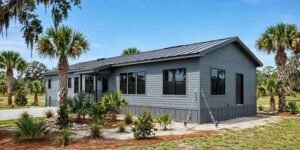
A home’s durability directly determines its long-term environmental impact, since a structure that needs frequent repairs or early replacement consumes far more resources over its lifespan than one built to last. Sustainability and construction quality aren’t separate conversations in a park model home; they’re the same conversation.
Weather Resistance for Florida Hurricane Zones
Impact-rated windows, reinforced roof tie-downs, and moisture-resistant materials protect a park model home from Florida’s hurricane season while also extending its functional lifespan. A structure that survives storm seasons without major damage avoids the resource-intensive cycle of repair and replacement that undermines sustainability goals.
Certifications and Green Building Standards
Green building certifications give homeowners a third-party benchmark for verifying that a builder’s sustainability claims hold up under independent review. The U.S. Green Building Council reports that certified green homes use on average 20 to 30% less energy than comparable non-certified homes.
ENERGY STAR and Florida Green Building Coalition
ENERGY STAR certification verifies that a home meets strict energy efficiency criteria set by the EPA, while the Florida Green Building Coalition evaluates homes specifically against the state’s climate and environmental conditions. A home carrying both certifications has been vetted against national and Florida-specific standards.
Cost Considerations of Going Green
Eco-friendly features typically add 5% to 15% to the upfront cost of a park model home, depending on how many sustainable systems are included. I always walk buyers through this math carefully, because the sticker price only tells half the story.
Most of that added cost gets recovered over time through lower utility bills, reduced maintenance, and extended system lifespans, which shifts the real comparison toward total cost of ownership rather than purchase price alone.
Financial Incentives and Tax Credits for Eco-Friendly Homes
Federal and state incentive programs can offset a meaningful share of the added cost of solar panels, energy-efficient systems, and other green upgrades. The federal residential clean energy credit currently allows homeowners to claim 30% of solar installation costs as a tax credit through 2032.
Florida also offers a property tax exemption for the added value that solar installations contribute to a home, which keeps the tax burden from rising even as the home’s value increases.
Lifestyle Benefits of Eco-Friendly Park Model Living
Beyond cost savings, an eco-friendly park model home tends to deliver a more comfortable daily living experience through better air quality, consistent temperatures, and lower noise from mechanical systems. Many of the homeowners I’ve talked with mention the quiet of a mini-split system over a traditional window unit as an unexpected favorite feature.
Smaller, well-built homes also naturally encourage a lower-consumption lifestyle, which compounds the environmental benefits already built into the structure itself.
How to Choose a Builder Committed to Sustainable Construction
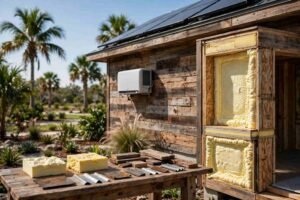
The right builder makes eco-friendly features work together instead of being bolted on as afterthoughts, which is the difference between a genuinely sustainable home and one that simply checks boxes. I’d encourage any buyer to ask direct questions about insulation specifications, material sourcing, and certification experience before signing a contract.
A builder’s willingness to explain the reasoning behind their material and system choices tells you more about their actual commitment to sustainability than any brochure claim does. We walk every buyer through these decisions at Tiny Home Builders Florida, because a sustainable home only works if every system behind the walls was chosen on purpose.
Conclusion
Sustainable park model homes bring together efficient insulation, solar power, water-conscious fixtures, and durable materials into one cohesive, lower-impact structure. Florida’s climate makes these choices matter even more over a home’s lifespan.
We build every home around these principles, not just the ones that are visible. Reach out to Tiny Home Builders Florida to start planning a park model home built to perform.
Frequently Asked Questions
Are park model homes more sustainable than traditional homes?
Park model homes can be more sustainable than traditional homes because their smaller footprint reduces material use and energy demand. The right systems and materials still have to be chosen for that potential to be realized.
How much does it cost to add solar power to a park model home?
Solar power typically costs between $8,000 and $15,000 for a park model home’s smaller energy needs. Federal tax credits can offset up to 30% of that cost.
What insulation is best for park model homes in Florida?
Spray foam insulation performs best for Florida park model homes because it seals gaps tightly against heat and humidity. It also resists moisture better than traditional batt insulation.
Can park model homes be built off-grid?
Park model homes can be built fully off-grid using solar panels paired with battery storage systems. Water catchment and greywater systems often support full off-grid capability as well.
What certifications should I look for in an eco-friendly builder?
ENERGY STAR and Florida Green Building Coalition certifications indicate a builder meets verified energy efficiency standards. These certifications provide third-party validation beyond marketing claims.
Do sustainable park model homes hold their value better?
Sustainable park model homes tend to hold value better due to lower operating costs and reduced maintenance needs. Energy-efficient features also appeal to a growing share of resale buyers.
What is the most impactful eco-friendly feature to prioritize first?
Insulation quality is the most impactful feature to prioritize first since it affects every other system’s efficiency. Strong insulation reduces the load on HVAC and solar systems alike.